Why Primary Care is the Foundation of Every Healthcare System
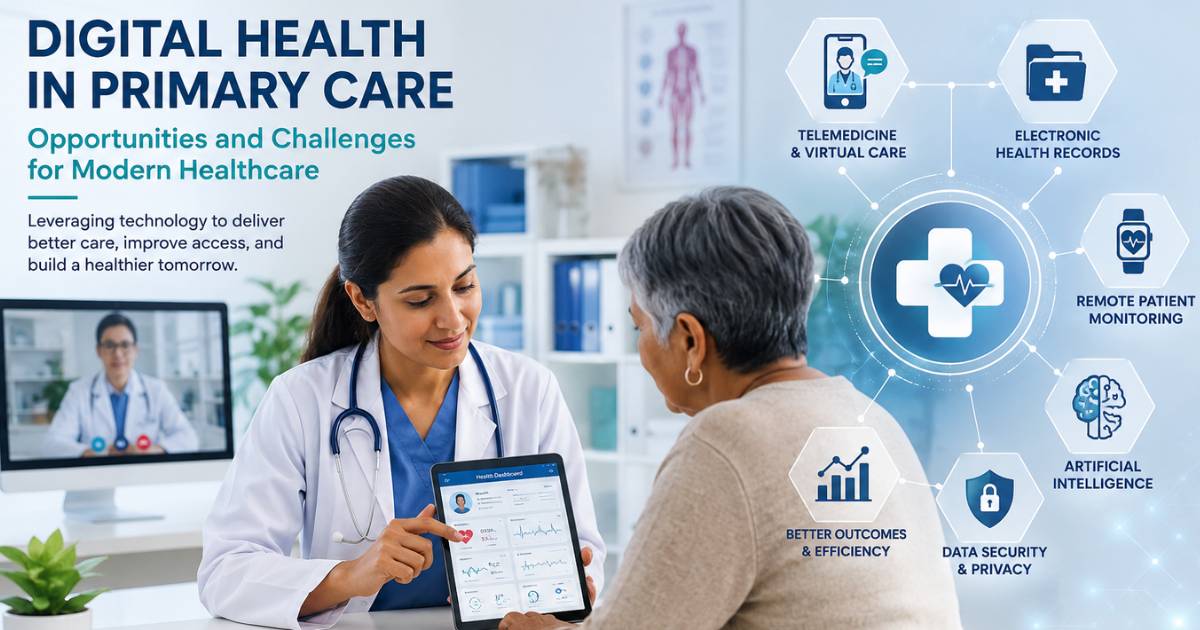
IntroductionHealthcare systems around the world are built on one common principle: providing accessible, timely, and quality care to every individual. At the center of this mission lies primary care—the first point of contact for people seeking medical attention and one of the most influential components of any healthcare system.Primary care extends far beyond treating common illnesses. It focuses on prevention, early diagnosis, chronic disease management, health education, and the long-term well-being of individuals and communities. Whether delivered through family physicians, general practitioners, nurse practitioners, community health workers, or multidisciplinary healthcare teams, primary care serves as the gateway to comprehensive healthcare.The global healthcare landscape has evolved significantly over the past few years. As countries continue to strengthen their healthcare infrastructure, the importance of primary care has become more evident than ever. Investing in strong primary care services not only improves individual health outcomes but also contributes to healthier populations, more resilient healthcare systems, and sustainable economic development.Understanding Primary CarePrimary care refers to the essential healthcare services that individuals receive throughout their lives. It emphasizes continuous, person-centered care rather than focusing solely on specific diseases or medical conditions.Primary care providers are responsible for addressing a wide range of health concerns, including:Preventive health screeningsDiagnosis and treatment of common illnessesManagement of chronic diseasesMaternal and child healthcareMental health supportHealth education and lifestyle counselingVaccination and immunization programsReferral to specialized care when necessaryUnlike specialized healthcare, primary care develops long-term relationships with patients, allowing providers to understand their medical history, family background, and overall health needs.The First Line of DefenseOne of the greatest strengths of primary care is its ability to detect health problems at an early stage. Regular health check-ups, preventive screenings, and routine consultations enable healthcare professionals to identify potential risks before they become serious medical conditions. Early detection plays a critical role in managing diseases such as hypertension, diabetes, cardiovascular disorders, and certain types of cancer. Identifying these conditions early often leads to better treatment outcomes, reduced healthcare costs, and improved quality of life for patients. Primary care also helps reduce unnecessary hospital admissions by managing health conditions effectively within the community.Promoting Preventive HealthcareModern healthcare is increasingly shifting from treating diseases to preventing them. Primary care professionals encourage healthy lifestyles through education, counseling, and regular follow-up.Preventive healthcare includes:Routine medical examinationsVaccination programsNutritional guidancePhysical activity promotionSmoking cessation supportMental wellness awarenessHealth risk assessmentsBy encouraging individuals to make informed lifestyle choices, primary care contributes to reducing the burden of preventable diseases.Managing Chronic DiseasesChronic diseases are among the leading causes of illness worldwide. Conditions such as diabetes, asthma, hypertension, obesity, and cardiovascular diseases require continuous monitoring rather than one-time treatment.Primary care providers play a vital role in helping patients manage these conditions through:Regular health assessmentsMedication managementLifestyle modification plansPatient educationMonitoring treatment effectivenessCoordinating specialist referrals when requiredThis continuity of care helps patients maintain better control over their health while reducing complications and emergency hospital visits.Improving Access to HealthcareAccessibility is one of the defining characteristics of an effective healthcare system. Primary care services are often delivered within local communities, making healthcare more convenient and affordable for patients.Community-based healthcare centers, family medicine clinics, and general practice facilities ensure that people receive medical attention close to where they live and work.Improved access leads to:Earlier diagnosisTimely treatmentBetter disease preventionReduced healthcare disparitiesIncreased patient satisfactionStrengthening access to primary care is especially important for rural populations, underserved communities, older adults, and individuals with limited healthcare resources.Supporting Public Health InitiativesPrimary care and public health share a common goal: improving the health of populations.Primary care professionals contribute significantly to public health by participating in:Vaccination campaignsDisease surveillanceCommunity health educationHealth promotion initiativesInfectious disease preventionScreening programsEmergency preparednessThe lessons learned during recent global health challenges demonstrated the importance of integrating primary care with broader public health strategies. Local healthcare providers became trusted sources of information, helping communities respond effectively to rapidly changing healthcare needs.Building Trust Through Continuous CareOne of the unique strengths of primary care is the long-term relationship between healthcare providers and patients. This continuity builds trust, encourages open communication, and improves adherence to treatment plans.Patients who have regular access to primary care providers are more likely to:Attend routine health check-upsFollow medical adviceReceive recommended screeningsManage chronic conditions effectivelyDiscuss mental health concernsSeek medical attention before illnesses become severeTrust remains one of the most valuable components of effective healthcare delivery.Technology and the Future of Primary CareHealthcare is becoming increasingly digital, creating new opportunities for improving patient care. Advances in technology are transforming the way primary care services are delivered.Emerging innovations include:TelemedicineVirtual consultations improve access for patients living in remote locations or those with mobility challenges.Electronic Health RecordsDigital patient records enhance continuity of care by allowing healthcare professionals to access accurate medical information efficiently.Remote Patient MonitoringWearable devices and connected health technologies enable healthcare providers to monitor patients with chronic diseases from home.Artificial IntelligenceAI-supported clinical decision tools assist healthcare professionals in identifying patterns, supporting diagnoses, and improving care coordination while complementing—not replacing—clinical expertise.These innovations are helping primary care become more efficient, patient-centered, and accessible.Addressing Healthcare ChallengesDespite its importance, primary care continues to face several global challenges, including:Growing demand for healthcare servicesWorkforce shortagesIncreasing prevalence of chronic diseasesAgeing populationsHealthcare inequalitiesRising healthcare costsAddressing these challenges requires collaboration among governments, healthcare organizations, academic institutions, researchers, and frontline healthcare professionals.Investing in education, workforce development, digital health infrastructure, and evidence-based policies will be essential for strengthening primary care systems worldwide.The Role of Scientific CollaborationHealthcare advances through the exchange of knowledge and experience. Scientific conferences, research collaborations, and interdisciplinary discussions provide valuable opportunities for professionals to share innovative practices and explore solutions to common healthcare challenges. Bringing together clinicians, researchers, educators, public health experts, nurses, pharmacists, policymakers, and healthcare leaders encourages meaningful dialogue that supports continuous improvement in patient care. These collaborative efforts contribute to advancing evidence-based medicine and strengthening healthcare systems across different regions of the world.Looking AheadPrimary care remains the foundation upon which effective healthcare systems are built. Its emphasis on prevention, accessibility, continuity of care, and community engagement makes it one of the most impactful areas of modern medicine.As healthcare continues to evolve, strengthening primary care will remain essential for improving health outcomes, reducing inequalities, and creating resilient healthcare systems capable of meeting future challenges.The future of healthcare depends not only on medical innovation but also on the dedication of healthcare professionals who provide compassionate, patient-centered care every day. By supporting primary care, investing in collaboration, and embracing innovation, we can build healthier communities and improve the quality of life for people around the world.ConclusionPrimary care is much more than the first step in a patient's healthcare journey—it is the foundation that supports prevention, treatment, recovery, and lifelong wellness. Strong primary care systems create healthier populations, reduce healthcare costs, and improve the overall efficiency of healthcare delivery.As the healthcare community continues to work toward innovative, equitable, and sustainable solutions, primary care will remain at the heart of these efforts. Through continued research, education, and international collaboration, we can ensure that primary care continues to evolve to meet the changing needs of societies across the globe.
Jul 10, 2026
Read Article