
How Healthcare Conferences Build Lifelong Professional Connections
Introduction
Healthcare is constantly evolving, driven by scientific discoveries, technological advancements, and the collective efforts of professionals dedicated to improving patient care. While journals, online learning platforms, and research publications provide valuable knowledge, one element continues to play a unique role in advancing healthcare—international scientific conferences.
Healthcare conferences are more than events where research is presented. They are places where ideas are exchanged, collaborations begin, and lifelong professional relationships are formed. Every conversation between researchers, clinicians, educators, and healthcare leaders has the potential to inspire innovation and improve healthcare delivery.
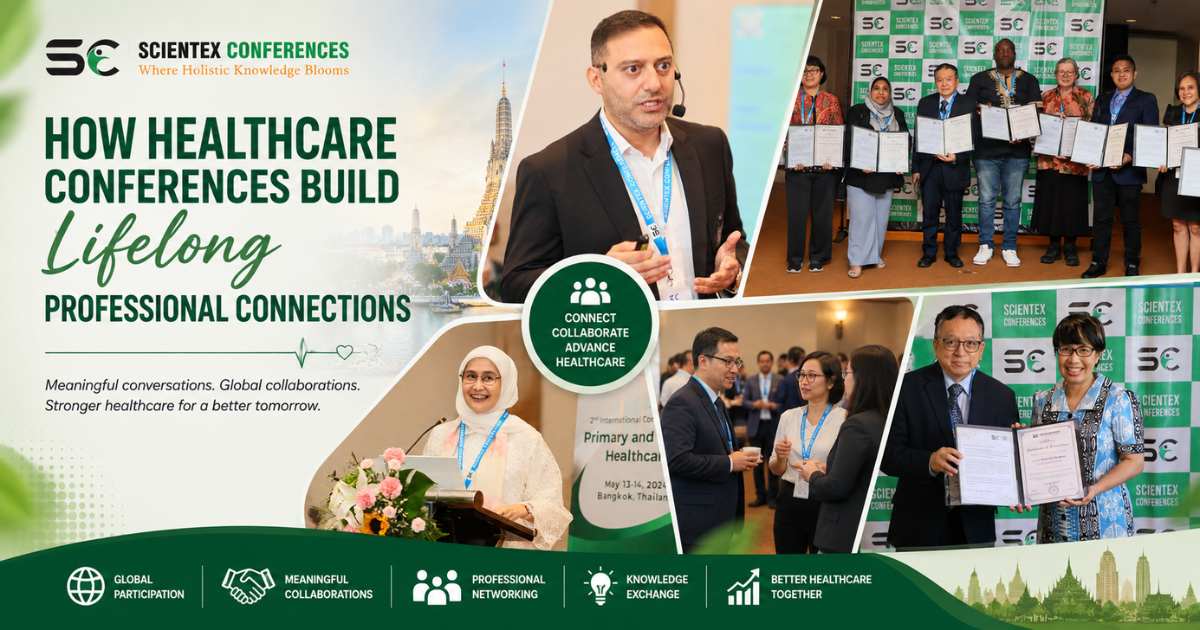
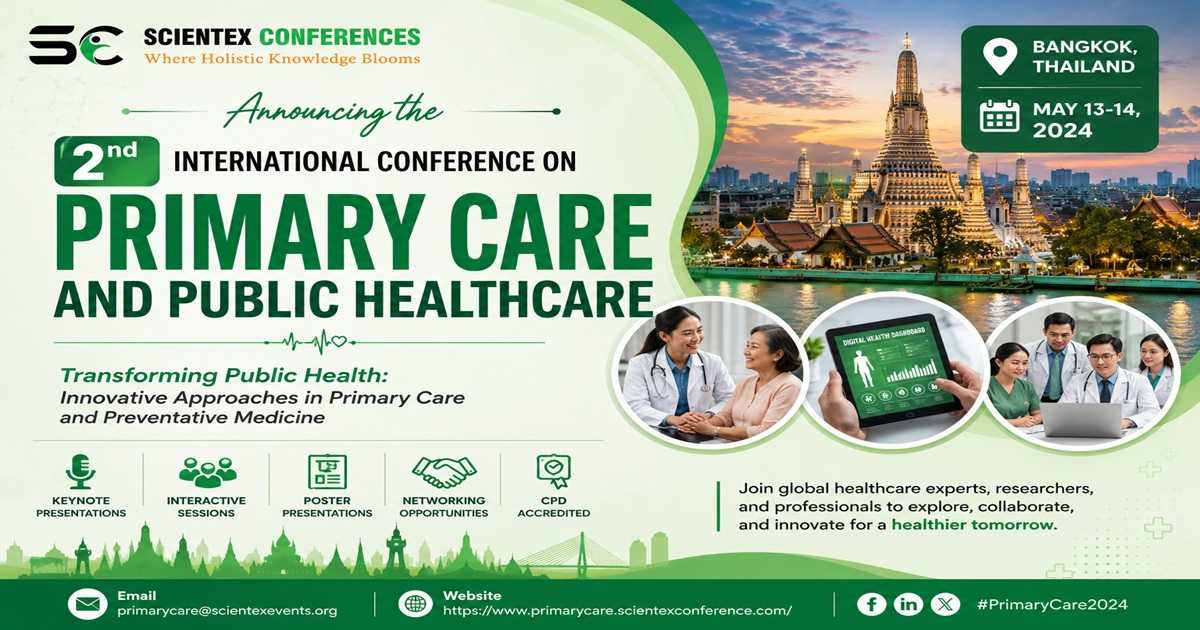
The 2nd International Conference on Primary Care and Public Healthcare, held in Bangkok, Thailand, demonstrated the true value of bringing healthcare professionals together. Beyond the scientific sessions, the conference became a platform for networking, knowledge sharing, and building meaningful professional connections that extend far beyond the event itself.
More Than Scientific Presentations
Every conference begins with a scientific program, but its greatest impact often comes from the conversations that happen between presentations.
Throughout the conference, delegates from hospitals, universities, research institutions, and healthcare organizations had opportunities to engage with professionals from different specialties and countries. These interactions encouraged participants to discuss challenges, compare healthcare systems, and share practical experiences from their own clinical and research environments.
Unlike virtual communication, face-to-face discussions create stronger professional relationships. They encourage open dialogue, immediate feedback, and the exchange of ideas that may eventually lead to future collaborations.
Connecting Healthcare Professionals Across Borders
Healthcare challenges are rarely confined to one country. Issues such as chronic disease management, preventive healthcare, infectious diseases, mental health, and healthcare accessibility require international cooperation.
Scientific conferences provide an opportunity for professionals from different healthcare systems to learn from one another and explore solutions that can be adapted across regions.
At Primary Care 2024, participants represented diverse professional backgrounds, including:
- Primary Care Physicians
- Public Health Specialists
- Family Medicine Experts
- Nurses and Nurse Practitioners
- Medical Researchers
- Academic Faculty
- Healthcare Administrators
- Students and Early Career Researchers
Each participant brought unique perspectives, enriching discussions and creating a collaborative learning environment.
Learning Beyond the Lecture Hall
Some of the most valuable learning experiences happen outside the conference sessions.
Networking breaks, poster presentations, exhibition areas, and informal discussions often become spaces where participants exchange ideas, discuss research interests, and explore opportunities for collaboration.
A simple conversation during a coffee break can introduce a researcher to a future collaborator or inspire a clinician to adopt a new approach in patient care.
These informal interactions help transform conferences into dynamic learning experiences rather than traditional academic meetings.
Encouraging Research Collaboration
Scientific research thrives through collaboration.
Conferences provide researchers with opportunities to present their findings, receive constructive feedback, and identify professionals with similar research interests.
These interactions often lead to:
- Joint research projects
- Multi-center studies
- Academic partnerships
- Collaborative publications
- Knowledge exchange between institutions
By connecting experts from different disciplines, conferences help accelerate research that can improve healthcare practices and patient outcomes worldwide.
Supporting Early Career Professionals
For students, young researchers, and early career healthcare professionals, conferences offer invaluable opportunities for professional development.
Presenting research at an international conference builds confidence, improves communication skills, and provides constructive feedback from experienced experts.
Young professionals also gain exposure to emerging healthcare trends, discover new research opportunities, and begin building professional networks that can support their future careers.
Meeting established researchers and clinicians in person often creates mentorship opportunities that continue long after the conference concludes.
Building a Global Healthcare Community
One of the greatest strengths of international conferences is their ability to create a sense of community.
Although participants come from different countries and healthcare systems, they share a common goal—to improve patient care and public health.
This shared purpose encourages collaboration rather than competition.
By bringing together professionals from multiple disciplines, conferences strengthen global partnerships and promote a culture of continuous learning, innovation, and mutual support.
Inspiring Innovation Through Shared Experiences
Every healthcare professional has a unique story to tell.
During conference discussions, participants share successful clinical practices, research findings, healthcare innovations, and lessons learned from their own experiences.
These real-world insights often inspire others to rethink existing practices or adopt new approaches that improve patient care.
Innovation does not always begin in a laboratory—it often begins with a conversation between professionals who are passionate about solving similar healthcare challenges.
Continuing Connections Beyond the Conference
The conclusion of a conference is often the beginning of new professional relationships.
Many collaborations established during scientific meetings continue through:
- Research partnerships
- Academic exchanges
- Joint publications
- Professional mentoring
- International projects
- Future conference participation
Modern communication platforms make it easier than ever for healthcare professionals to stay connected, exchange ideas, and continue collaborating long after returning to their respective institutions.
This ongoing engagement ensures that the knowledge shared during conferences continues to create lasting value.
Looking Ahead
As healthcare becomes increasingly interconnected, international conferences will continue to play an essential role in advancing scientific knowledge and strengthening professional relationships.
The Primary Care and Public Healthcare conference series remains committed to providing a platform where healthcare professionals can learn, collaborate, and contribute to meaningful discussions that shape the future of healthcare.
Each edition brings together individuals united by a shared commitment to improving patient care, advancing research, and promoting healthier communities worldwide.
Conclusion
Healthcare conferences are far more than gatherings of experts—they are places where ideas become collaborations, conversations become partnerships, and professional relationships grow into lifelong connections.
The experiences shared during the 2nd International Conference on Primary Care and Public Healthcare demonstrated the importance of bringing the global healthcare community together to exchange knowledge, inspire innovation, and strengthen interdisciplinary collaboration.
As the conference series continues to grow, its greatest achievement will not only be the research presented but also the lasting professional connections that contribute to better healthcare around the world.
You Might Also Like
More Blogs



Archives

Quick Links
Explore More
Past Conferences
Past Webinars
General Enquiry
Finance Enquiry
Contact Number
- (+1) 929 392 1801