

Public Healthcare and Management: Lessons for the Future

Introduction
Public healthcare has always played a vital role in protecting communities, improving quality of life, and ensuring equitable access to essential medical services. Over the past few years, healthcare systems across the world have faced unprecedented challenges that tested their preparedness, resilience, and ability to respond to rapidly changing public health needs.
While every country experienced these challenges differently, one lesson became universally clear: strong public healthcare systems are fundamental to healthy societies. Beyond responding to emergencies, effective public healthcare management supports disease prevention, health promotion, community engagement, and long-term population well-being.
As healthcare continues to evolve, governments, healthcare professionals, researchers, and policymakers have an opportunity to strengthen public healthcare by learning from recent experiences and investing in sustainable, patient-centered solutions.
This article explores some of the most important lessons shaping the future of public healthcare management and highlights why collaboration, innovation, and preparedness will remain central to building resilient healthcare systems.
Understanding Public Healthcare Management
Public healthcare management involves planning, organizing, delivering, and evaluating healthcare services that improve the health of entire populations. Unlike clinical medicine, which focuses on individual patients, public healthcare considers the broader needs of communities.
Key responsibilities include:
- Disease prevention and health promotion
- Healthcare policy implementation
- Emergency preparedness
- Vaccination and immunization programs
- Community health education
- Resource allocation
- Environmental and occupational health
- Monitoring population health trends
Effective public healthcare management ensures that healthcare services are accessible, affordable, and responsive to changing community needs.
Lesson One: Prevention is Better Than Treatment
One of the strongest lessons learned in recent years is the value of preventive healthcare. Investing in prevention not only improves health outcomes but also reduces the long-term burden on hospitals and healthcare systems.
Preventive healthcare includes:
- Routine health screenings
- Vaccination programs
- Lifestyle education
- Early disease detection
- Nutrition and physical activity initiatives
- Tobacco and alcohol reduction programs
- Mental health awareness
Communities that prioritize prevention are better equipped to reduce the incidence of chronic diseases and improve overall population health.
Lesson Two: Prepared Healthcare Systems Save Lives
Healthcare emergencies can emerge unexpectedly. Whether responding to infectious disease outbreaks, natural disasters, or environmental health risks, preparedness plays a critical role in protecting communities.
Prepared healthcare systems require:
- Emergency response planning
- Well-trained healthcare professionals
- Adequate medical supplies
- Strong laboratory networks
- Effective communication systems
- Coordination among healthcare organizations
Preparedness is no longer viewed as an optional investment—it is an essential component of modern healthcare management.
Lesson Three: Digital Health is Transforming Public Healthcare
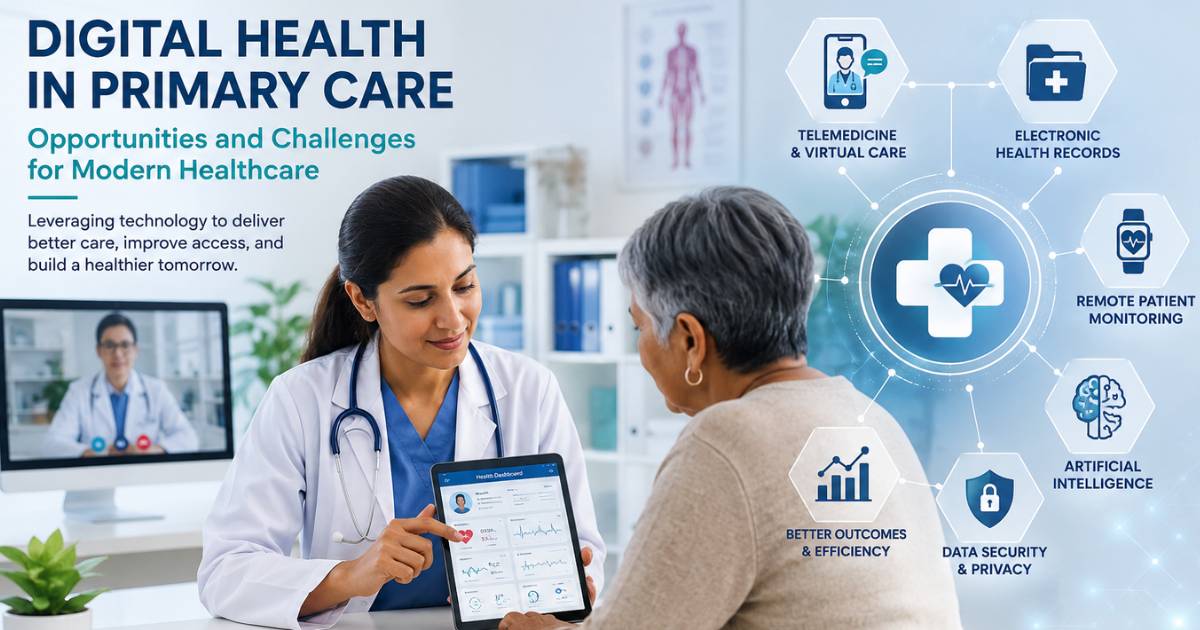
Technology has rapidly changed the way healthcare services are delivered and managed. Digital solutions have improved communication, expanded access to care, and supported data-driven decision-making.
Some of the most significant developments include:
Telemedicine: Virtual consultations have improved access to healthcare for patients living in rural or underserved communities while reducing unnecessary travel and waiting times.
Electronic Health Records: Integrated digital records allow healthcare providers to share patient information securely, improving continuity of care and reducing duplication of services.
Health Data Analytics: Large-scale health data enables public health authorities to identify trends, monitor disease outbreaks, and allocate healthcare resources more effectively.
Mobile Health Applications: Health apps encourage individuals to monitor chronic conditions, track medications, schedule appointments, and adopt healthier lifestyles. Digital health continues to expand opportunities for improving both clinical care and public health management.
Lesson Four: Strong Communities Build Strong Healthcare Systems
Healthcare extends beyond hospitals and clinics. Community participation is one of the most valuable resources in improving population health.
Community-based healthcare initiatives encourage individuals to take an active role in maintaining their health through education, awareness, and preventive care.
Examples include:
- Community vaccination campaigns
- School health programs
- Maternal and child health services
- Nutrition education
- Local health screenings
- Mental health support groups
When communities are actively engaged, healthcare interventions become more effective and sustainable.
Lesson Five: Healthcare Equity Must Remain a Priority
Access to quality healthcare should not depend on geographic location, income, age, or social background.
Reducing healthcare disparities requires continued investment in:
- Rural healthcare services
- Affordable primary care
- Maternal and child health
- Health literacy
- Accessible preventive services
- Workforce development
Creating equitable healthcare systems ensures that everyone has the opportunity to achieve better health outcomes.
The Growing Importance of Interdisciplinary Collaboration
Today's healthcare challenges require collaboration across multiple disciplines.
Public healthcare professionals increasingly work alongside:
- Primary care physicians
- Nurses
- Pharmacists
- Epidemiologists
- Public health researchers
- Health administrators
- Policy experts
- Academic institutions
- Community organizations
This collaborative approach enables healthcare systems to respond more effectively to complex health challenges while encouraging innovation and knowledge sharing.
Research and Innovation Driving Healthcare Forward
Scientific research continues to improve healthcare delivery by introducing new approaches to prevention, diagnosis, treatment, and health system management.
Areas of ongoing innovation include:
- Artificial Intelligence in healthcare
- Predictive analytics
- Precision medicine
- Remote patient monitoring
- Wearable health technologies
- Population health research
- Digital public health platforms
Integrating research findings into healthcare policies and clinical practice strengthens healthcare systems and improves patient outcomes.
Investing in the Healthcare Workforce
Healthcare professionals remain the foundation of every healthcare system.
Supporting the workforce involves:
- Continuing professional education
- Leadership development
- Evidence-based practice training
- Workplace well-being initiatives
- Interprofessional collaboration
- Digital health competencies
Empowering healthcare professionals ensures they are prepared to meet the evolving needs of patients and communities.
Why Scientific Conferences Matter
Healthcare advances through collaboration and the exchange of knowledge.
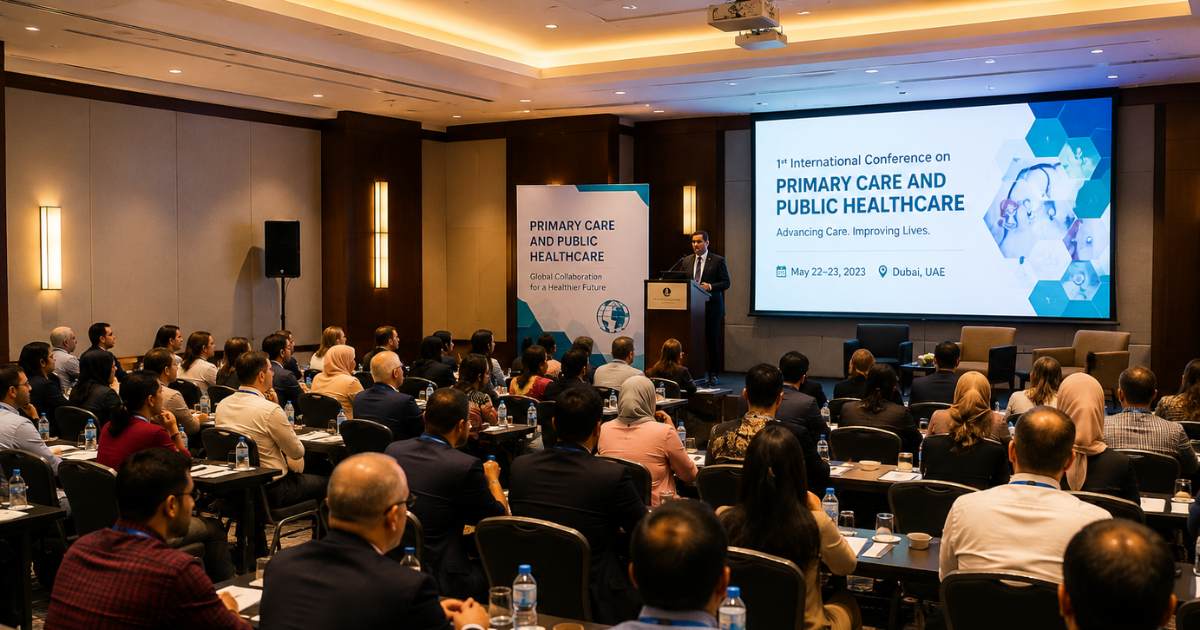
International scientific conferences provide valuable opportunities for healthcare professionals, researchers, educators, and policymakers to:
- Present original research
- Share successful healthcare initiatives
- Explore emerging healthcare technologies
- Discuss policy developments
- Build international collaborations
- Learn from experts across multiple disciplines
These professional interactions contribute to continuous improvements in healthcare delivery and public health practice around the world.
Looking Toward the Future
The future of public healthcare management will depend on resilience, innovation, collaboration, and a commitment to equitable healthcare.
Healthcare systems that invest in prevention, embrace digital transformation, strengthen primary care, and encourage international collaboration will be better prepared to address future health challenges.
As new technologies emerge and healthcare needs continue to evolve, public healthcare professionals will play an increasingly important role in shaping healthier communities and more sustainable healthcare systems.
The lessons learned today provide valuable guidance for building a future where healthcare is more accessible, responsive, and centered on improving the well-being of every individual.
Conclusion
Public healthcare management is much more than the administration of healthcare services—it is the foundation for protecting communities, improving population health, and preparing societies for future challenges.
By prioritizing prevention, embracing innovation, investing in healthcare professionals, and fostering global collaboration, healthcare systems can become stronger, more resilient, and better equipped to meet the needs of future generations.
As healthcare continues to evolve, one principle remains unchanged: strong public healthcare systems create healthier people, stronger communities, and a more sustainable future for all.
You Might Also Like
More Blogs








Archives

Quick Links
Explore More
Past Conferences
Past Webinars
General Enquiry
Finance Enquiry
Contact Number
- (+1) 929 392 1801