July 2026 (14 posts)
All Blogs
Participants, speakers, and delegates at the 4th International Conference on Primary Care and Public Healthcare 2026 in Kuala Lumpur, Malaysia, celebrating global collaboration in healthcare.
Thank You for Being Part of Primary Care 2026: Celebrating Global Collaboration in Healthcare

The 4th International Conference on Primary Care and Public Healthcare, held on May 07–08, 2026 in Kuala Lumpur, Malaysia, concluded successfully with enthusiastic participation from healthcare professionals, clinicians, researchers, academicians, public health experts, policymakers, and students representing countries across the globe.Over two inspiring days, the conference became a vibrant platform for exchanging knowledge, presenting innovative research, discussing emerging healthcare challenges, and building meaningful international collaborations. We extend our heartfelt appreciation to every participant who contributed to making Primary Care 2026 a memorable scientific gathering.A Heartfelt Thank YouScientex Conferences sincerely thanks all of our:• Distinguished Keynote Speakers • Oral and Poster Presenters • Session Chairs • Scientific Reviewers • Organizing Committee Members • Healthcare Professionals • Researchers and Academicians • Students and Young Investigators • Sponsors and Collaborating Organizations • Conference Delegates Your expertise, enthusiasm, and commitment created an engaging scientific environment that encouraged learning, discussion, and collaboration.Scientific Excellence Across Two DaysPrimary Care 2026 featured an outstanding scientific program covering a wide range of important healthcare topics, including:• Primary Healthcare • Family Medicine • Community Medicine • Public Health • Preventive Healthcare • Global Health • Digital Health & Artificial Intelligence • Medical Education • Women's Health • Infectious Diseases • Chronic Disease Management • Healthy Ageing • Nutrition • Mental Health • Healthcare Policy • Clinical Practice Innovations Each presentation brought valuable perspectives that encouraged productive discussions and inspired new ideas for improving patient care worldwide.Inspiring Global ParticipationThe conference welcomed participants from numerous countries, reflecting the truly international nature of Primary Care 2026.Researchers and healthcare professionals shared clinical experiences, public health initiatives, innovative technologies, educational strategies, and evidence-based practices that highlighted the importance of collaboration in strengthening healthcare systems across different regions.The diversity of expertise created meaningful opportunities for networking and future research partnerships.Beyond the Scientific SessionsPrimary Care 2026 was more than a scientific conference.Participants connected during networking sessions, exchanged professional experiences, explored potential collaborations, and built relationships that extend beyond the conference itself.These interactions continue to strengthen the international primary care community and promote future multidisciplinary research.Conference HighlightsSome memorable moments included:• Outstanding keynote presentations by internationally recognized experts • Interactive scientific discussions and engaging Q&A sessions • Oral and poster presentations showcasing innovative research • Recognition of speakers, reviewers, and session chairs • Networking opportunities with professionals from multiple countries • Exchange of ideas addressing current and future healthcare challenges Relive the ExperienceCouldn't capture every moment during the conference?Explore our complete collection of conference memories through the official gallery.View Conference Gallery →https://www.primarycare.scientexconference.com/pastconference/may2026/galleryHear From Our ParticipantsThe experiences shared by our speakers and delegates reflect the collaborative atmosphere and scientific quality of Primary Care 2026.Read what participants had to say about their conference experience.Read Participant Testimonials →https://www.primarycare.scientexconference.com/pastconference/may2026/pc_testimonialsLooking Ahead to Primary Care 2027The journey continues.Building upon the success of Kuala Lumpur, we are delighted to announce the 5th International Conference on Primary Care and Public Healthcare, scheduled for:📍 Paris, France📅 April 19–20, 2027The conference will continue bringing together healthcare professionals from around the world to share research, encourage collaboration, and advance innovations in primary care and public health.We look forward to welcoming both returning participants and new contributors to another exceptional scientific gathering.Thank You Once AgainEvery presentation delivered, every discussion initiated, every collaboration formed, and every idea exchanged contributed to the remarkable success of Primary Care 2026.Thank you for your trust, support, and active participation.Together, we continue advancing primary care and public healthcare for healthier communities worldwide.We look forward to meeting you in Paris, France, in 2027.

Jul 15, 2026 Read Article
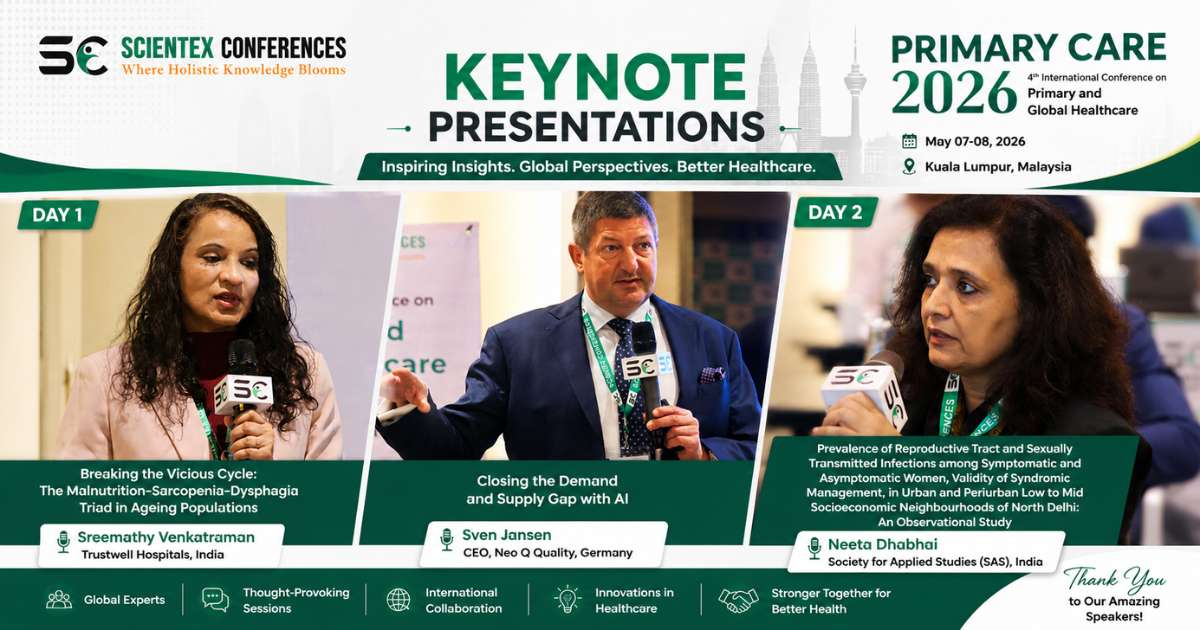
Keynote speakers presenting innovative research at the Primary Care 2026 Conference in Kuala Lumpur, Malaysia
Inspiring Keynote Presentations from Primary Care 2026: Advancing Innovation in Primary Care and Public Healthcare

The 4th International Conference on Primary Care and Public Healthcare, held in Kuala Lumpur, Malaysia, brought together distinguished healthcare professionals, clinicians, researchers, academicians, and policymakers from around the world. The conference served as a platform for exchanging innovative ideas, sharing evidence-based research, and discussing practical solutions to strengthen primary healthcare systems globally.Among the many scientific sessions, the keynote presentations stood out for their depth, relevance, and impact. Renowned experts shared valuable perspectives on some of today's most pressing healthcare challenges, offering attendees practical knowledge and future-focused strategies that can be applied across clinical practice, education, and healthcare management.Day 1 Keynote HighlightsBreaking the Vicious Cycle: The Malnutrition–Sarcopenia–Dysphagia Triad in Ageing PopulationsSpeaker: Sreemathy VenkatramanAffiliation: Trustwell Hospitals, IndiaDr. Sreemathy Venkatraman delivered an insightful presentation on one of the growing concerns in geriatric healthcare—the interconnected relationship between malnutrition, sarcopenia, and dysphagia among older adults.The session explained how inadequate nutrition contributes to muscle loss, which subsequently affects swallowing function and further worsens nutritional status. This cycle significantly impacts quality of life, increases hospitalization rates, and places additional pressure on healthcare systems worldwide.The presentation emphasized:Early nutritional screening for older adults Multidisciplinary approaches involving physicians, dietitians, and rehabilitation specialists Preventive interventions to improve healthy ageing The importance of integrating nutrition into routine primary care The session encouraged healthcare professionals to adopt proactive strategies that support healthy ageing and reduce preventable complications among elderly populations.Closing the Demand and Supply Gap with Artificial IntelligenceSpeaker: Sven JansenCEO, Neo Q Quality, GermanyArtificial Intelligence continues to reshape healthcare delivery, and Sven Jansen demonstrated how AI can address one of healthcare's greatest challenges—balancing increasing patient demand with limited healthcare resources.The keynote explored practical AI applications that improve healthcare efficiency while maintaining high standards of patient care.Key discussion points included:• AI-assisted clinical workflows • Optimizing healthcare resource allocation • Enhancing patient experience through intelligent automation • Supporting healthcare professionals with data-driven decision making • Improving operational efficiency in hospitals and primary care settings The presentation highlighted that AI should be viewed as a tool that supports healthcare professionals rather than replacing them, enabling clinicians to dedicate more time to patient-centered care.Day 2 Keynote HighlightsFeedback on Medical Education Status in KSA: How to Give Effective Feedback During Residency Clinical Training – A Review ArticleSpeaker: Olfat JanbiJeddah First Cluster – King AbdulAziz Hospital, Kingdom of Saudi ArabiaMedical education continues to evolve alongside healthcare delivery. Dr. Olfat Janbi focused on the importance of constructive feedback in residency training and its role in developing competent healthcare professionals.The presentation reviewed current practices within residency education in Saudi Arabia while outlining methods for delivering meaningful and effective feedback during clinical training.Important takeaways included:• Building a supportive learning environment • Encouraging reflective clinical practice • Developing communication between mentors and residents • Standardizing assessment methods • Improving competency-based medical education The session reinforced that quality feedback remains one of the strongest drivers of professional growth and clinical excellence.Prevalence of Reproductive Tract and Sexually Transmitted Infections Among Symptomatic and Asymptomatic Women: Validity of Syndromic Management in Urban and Peri-Urban Communities of North DelhiSpeaker: Neeta DhabhaiSociety for Applied Studies (SAS), IndiaDr. Neeta Dhabhai presented findings from an important observational study evaluating reproductive tract infections (RTIs) and sexually transmitted infections (STIs) among women from urban and peri-urban communities in North Delhi.The presentation examined the effectiveness of syndromic management and highlighted challenges in identifying infections among asymptomatic women.The research emphasized:• Community-based surveillance for RTIs and STIs • Strengthening women's reproductive healthcare • Improving diagnostic accuracy • Evidence-based screening approaches • Enhancing preventive public health programs The study underscored the importance of early detection and comprehensive reproductive health services to improve healthcare outcomes for women.Driving Innovation Through Scientific ExchangeThe keynote sessions reflected the diverse nature of modern primary care, covering healthy ageing, digital transformation, medical education, and women's health. Each presentation demonstrated how scientific research can translate into practical solutions that improve patient care and strengthen healthcare systems worldwide.Primary Care 2026 once again highlighted the value of international collaboration, bringing together experts from different countries and disciplines to address common healthcare challenges through knowledge sharing and innovation.As the conference concluded, participants returned to their institutions with new perspectives, practical insights, and strengthened professional networks that will continue to advance primary care and public health across the globe.

Jul 15, 2026 Read Article
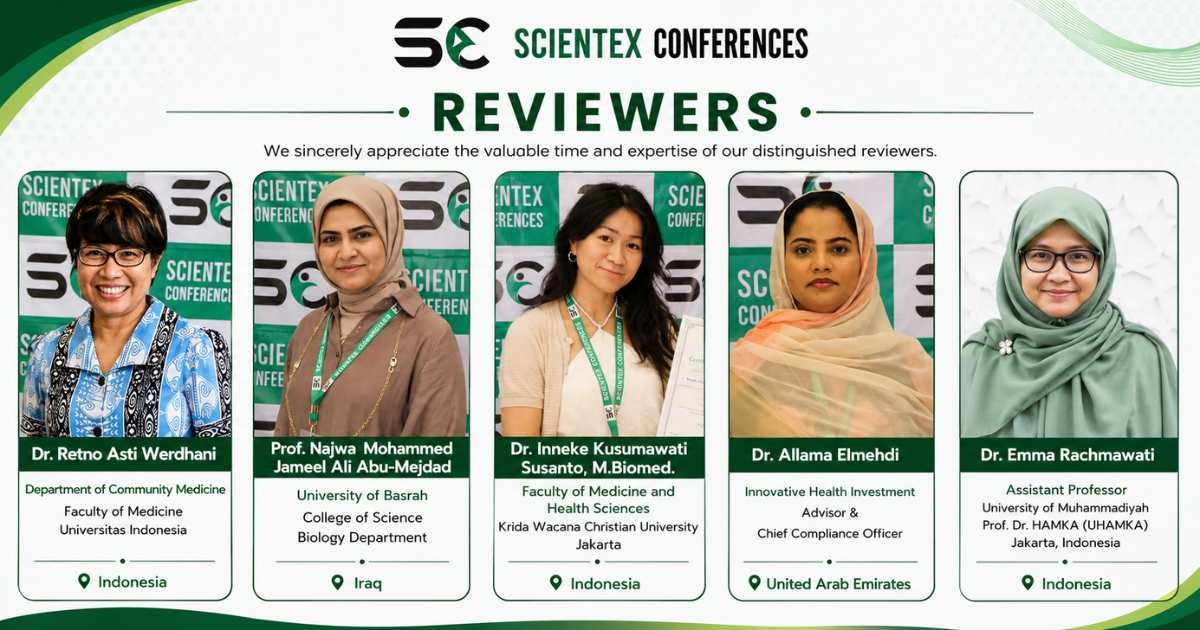
Reviewers and Organizing Committee members supporting scientific excellence at the 3rd International Conference on Primary Care and Public Healthcare
Recognizing Excellence: Celebrating the Reviewers and Organizing Committee of Primary Care 2025

IntroductionEvery successful scientific conference is built upon a foundation of academic excellence, collaboration, and integrity. While keynote speakers and presenters often take center stage, there is another group of dedicated professionals working behind the scenes to ensure the quality and credibility of every scientific session—the reviewers and the Organizing Committee. At Scientex Conferences, we sincerely appreciate their invaluable contributions to advancing primary care research and promoting scientific excellence.The Importance of Scientific ReviewersPeer review is one of the most important processes in academic conferences. It ensures that every accepted abstract reflects scientific integrity, originality, clinical relevance, and research quality. Reviewers contribute their time and expertise to evaluate submissions objectively, helping authors improve their work while ensuring that conference participants receive high-quality scientific content.Their dedication supports evidence-based healthcare by encouraging innovative research and meaningful scientific discussions. The Primary Care 2025 conference was privileged to have reviewers from internationally recognized universities and healthcare institutions whose expertise strengthened the scientific program.Meet Our Distinguished ReviewersDr. Retno Asti WerdhaniDepartment of Community MedicineFaculty of Medicine, Universitas IndonesiaIndonesiaDr. Retno Asti Werdhani is a distinguished academic, clinician, and family medicine specialist who serves as the Head of the Department of Community Medicine at the Faculty of Medicine, Universitas Indonesia. Alongside her academic leadership, she practices as a family physician at Universitas Indonesia Hospital, combining clinical experience with medical education.Her expertise in family medicine, community health, and primary healthcare systems enables her to evaluate scientific research from both academic and practical perspectives. She is widely recognized for mentoring future healthcare professionals, advancing interdisciplinary collaboration, and contributing to the development of public health policies in Indonesia.Her thoughtful reviews helped ensure that the conference featured research with meaningful clinical and community impact.Prof. Najwa Mohammed Jameel Ali Abu-MejdadUniversity of Basrah – College of ScienceBiology Department, IraqProfessor Najwa Mohammed Jameel Ali Abu-Mejdad is an internationally respected expert in fungal biotechnology and medical mycology, with more than twenty-five years of academic experience.She has authored over fifty scientific publications, holds several patents, and has written books in her field of expertise. Her research focuses on fungal biotechnology, pathogenic fungi, medical mycology, and antifungal therapies.Beyond research, Professor Najwa actively supervises postgraduate students, serves on editorial boards of international journals, and has received numerous awards recognizing her contributions to scientific innovation.Her extensive research background added exceptional scientific rigor to the conference review process.Dr. Inneke Kusumawati Susanto, M.Biomed.Faculty of Medicine and Health SciencesKrida Wacana Christian University (UKRIDA)Jakarta, IndonesiaDr. Inneke Kusumawati Susanto is an accomplished clinician, educator, and researcher with expertise in biomedical sciences and medical education. After completing her medical degree at UKRIDA and her Master's in Biomedicine at the University of Indonesia, she continued her career as both a lecturer and practicing physician.She has authored books, published numerous scientific articles, and regularly speaks at national and international conferences. Her multidisciplinary background allowed her to provide valuable insights during the scientific evaluation process while supporting the conference's commitment to academic excellence.Dr. Allama ElmehdiInnovative Health Investment Advisor & Chief Compliance OfficerUnited Arab EmiratesDr. Allama Elmehdi is a globally recognized medical doctor, health economist, biotechnology entrepreneur, and healthcare policy advisor whose work spans Africa, Europe, and the Middle East.Her expertise includes health economics, biotechnology, health diplomacy, pharmaceutical market access, regulatory affairs, and healthcare innovation.She actively contributes to international policy discussions through organizations and forums focused on sustainable healthcare systems and global health partnerships.Her broad international experience enriched the review process by bringing strategic perspectives on healthcare innovation, policy development, and multidisciplinary collaboration.Dr. Emma RachmawatiAssistant ProfessorUniversity of Muhammadiyah Prof. Dr. HAMKA (UHAMKA)Jakarta, IndonesiaDr. Emma Rachmawati completed her doctoral studies in Public Health at Universitas Indonesia and currently serves as a lecturer within the Faculty of Health Sciences and Graduate School at UHAMKA.She also serves as Vice Chair for Public Health within Muhammadiyah's healthcare organization, supporting one of Indonesia's largest healthcare networks.Her research interests include patient safety, health promotion, tobacco control, community nutrition, and healthcare education.As an experienced reviewer for national and international journals, she contributed significantly to maintaining the scientific quality of Primary Care 2025.The Role of the Organizing CommitteeBehind every successful conference is a dedicated Organizing Committee working tirelessly to coordinate every aspect of the scientific program.From planning keynote sessions and selecting expert speakers to coordinating abstract reviews and ensuring smooth conference operations, the Organizing Committee plays a vital role in creating an engaging and academically enriching experience.Their collaboration with reviewers ensures that participants benefit from a balanced program featuring innovative research, evidence-based discussions, and practical healthcare solutions.The Organizing Committee's commitment reflects the conference's mission of promoting excellence in primary care and public healthcare worldwide.Working Together to Advance HealthcareScientific conferences are successful because of collective effort.Authors contribute innovative research.Speakers share valuable knowledge.Reviewers maintain scientific quality.The Organizing Committee ensures every detail supports an outstanding learning experience.Together, these contributions create an environment where healthcare professionals can exchange ideas, establish collaborations, and advance patient care through evidence-based practice.Our Sincere AppreciationOn behalf of Scientex Conferences, we extend our heartfelt appreciation to every reviewer and Organizing Committee member who contributed to the Primary Care Conference.Your professionalism, dedication, and commitment to scientific excellence have strengthened this conference and inspired meaningful discussions that will continue to influence primary care research and public health.Your support is deeply valued, and we look forward to collaborating again in future editions of the conference.

Jul 13, 2026 Read Article
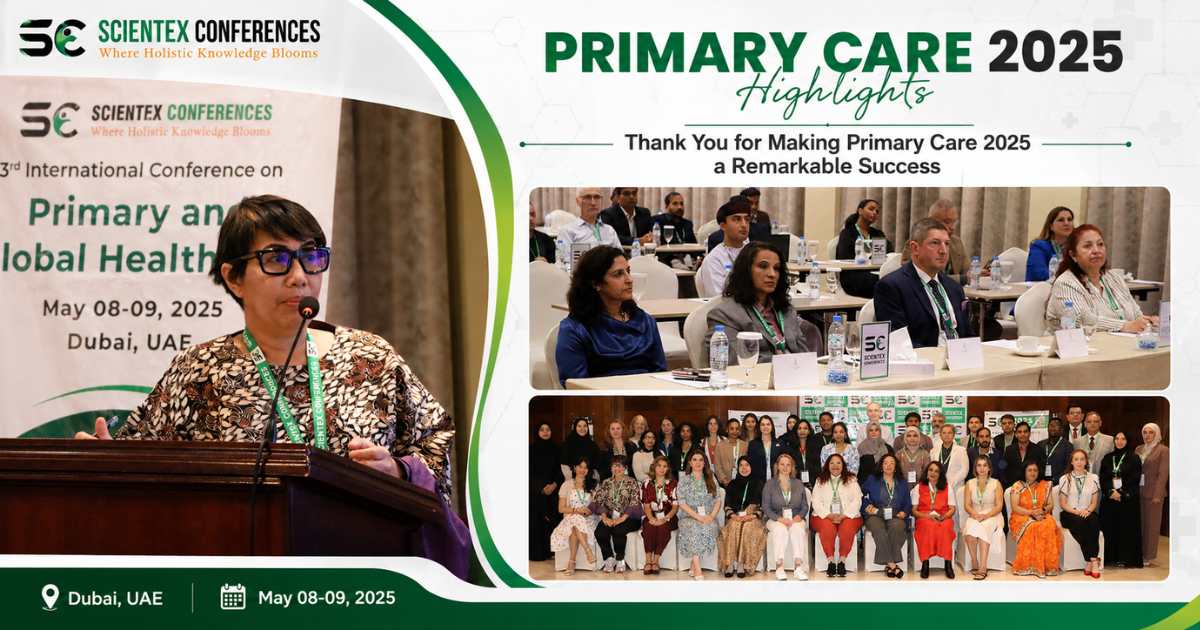
Primary Care 2025 Conference Highlights – Dubai
Thank You for Making Primary Care 2025 a Remarkable Success

IntroductionThe 3rd International Conference on Primary Care and Public Healthcare, held on May 08–09, 2025, in Dubai, UAE, brought together an exceptional community of healthcare professionals, researchers, clinicians, academicians, public health experts, policymakers, and industry leaders from around the world.Over two inspiring days, the conference served as a global platform for exchanging knowledge, discussing emerging healthcare challenges, and presenting innovative research that is shaping the future of primary care and public health. From thought-provoking keynote presentations to engaging scientific discussions and valuable networking opportunities, Primary Care 2025 demonstrated the importance of international collaboration in advancing healthcare systems worldwide.We sincerely thank every participant whose expertise, enthusiasm, and commitment contributed to making this conference a memorable success.Advancing Primary Care Through Global CollaborationPrimary Care 2025 featured a comprehensive scientific program covering a wide range of topics, including preventive healthcare, chronic disease management, digital health, artificial intelligence, oral health, oncology, public health policies, infectious diseases, and patient-centered care.The conference encouraged multidisciplinary collaboration, allowing delegates to exchange practical experiences, discuss innovative clinical approaches, and explore evidence-based strategies for improving healthcare delivery across different regions.The diversity of perspectives shared throughout the event highlighted the growing need for integrated healthcare solutions that improve patient outcomes while strengthening healthcare systems worldwide.Inspiring Keynote PresentationsOne of the highlights of Primary Care 2025 was the outstanding lineup of keynote presentations delivered by internationally recognized experts. Their research and clinical expertise provided valuable insights into some of today's most important healthcare challenges.Healthcare Transformation Through Artificial IntelligenceSven JansenNeo Q Quality in Imaging GmbH, GermanyArtificial intelligence is rapidly transforming healthcare by improving diagnostic accuracy, streamlining clinical workflows, and supporting data-driven decision-making. This presentation explored how AI technologies are enhancing medical imaging and contributing to more efficient and personalized patient care.Venous Thromboembolism as a First Sign of Cancer – Trousseau SyndromeKrzysztof Ziaja & Mariola SznapkaINMEDICO Medical Center, PolandThis presentation examined the relationship between venous thromboembolism and underlying malignancies, emphasizing the importance of early recognition of Trousseau syndrome. The discussion highlighted the role of timely diagnosis in improving patient outcomes and guiding appropriate cancer investigations.Demand and Pattern for Endodontic Treatment in Jambi, IndonesiaRodiyah AzharDr. Bratanata Hospital, IndonesiaFocusing on oral healthcare, this keynote analyzed patterns of endodontic treatment demand within the Indonesian population. The study provided valuable insights into patient needs, healthcare utilization, and opportunities to improve dental services within primary healthcare settings.Evaluation of the Antimicrobial Activity of a Tea Tree Oil Formulation in Periodontal Disease: An In Vitro StudySusana Aurora Macín CabreraUniversidad Autónoma Metropolitana, MexicoThis presentation explored the potential use of tea tree oil formulations as an antimicrobial agent for periodontal disease management. The research demonstrated promising findings that may contribute to future preventive and therapeutic strategies in oral healthcare.A Compelling Scientific Rationale for Macular Carotenoid Supplementation in Children to Support Eye and Brain HealthDeshanie Rai, PhD, FACNTufts University, USAThis keynote highlighted emerging evidence supporting macular carotenoid supplementation during childhood. The presentation discussed its potential role in promoting visual development, cognitive function, and long-term neurological health.A Platform for Scientific ExcellencePrimary Care 2025 featured a vibrant scientific program that included keynote lectures, oral presentations, poster sessions, and interactive discussions. Researchers presented innovative findings across multiple disciplines, fostering meaningful dialogue and encouraging collaborations among healthcare professionals from different countries.These scientific contributions reinforced the conference's commitment to advancing evidence-based practice and promoting innovation in primary care and public health.Building Lasting Professional ConnectionsBeyond the scientific sessions, the conference provided valuable opportunities for networking and professional collaboration. Delegates connected with experts from universities, hospitals, research institutions, healthcare organizations, and industry, creating new partnerships that extend beyond the conference itself. Such collaborations play an essential role in driving multidisciplinary research and improving healthcare practices on a global scale.Thank You to Our Global CommunityThe success of Primary Care 2025 would not have been possible without the dedication and participation of our distinguished speakers, reviewers, organizing committee members, delegates, sponsors, exhibitors, and healthcare professionals.Your valuable contributions, scientific excellence, and commitment to advancing primary care helped create an inspiring environment for learning, collaboration, and innovation. We sincerely appreciate your support and look forward to continuing this journey together.Looking Ahead to Primary Care 2026Building on the remarkable success of our Dubai conference, we are excited to continue fostering global collaboration in healthcare at the 4th International Conference on Primary Care and Public Healthcare, held in Kuala Lumpur, Malaysia.As healthcare continues to evolve through innovation, research, and international cooperation, we remain committed to providing a platform where professionals can exchange ideas, share groundbreaking discoveries, and work together to improve healthcare delivery worldwide.We look forward to welcoming our global healthcare community once again for another inspiring edition dedicated to advancing the future of primary care and public health.

Jul 13, 2026 Read Article
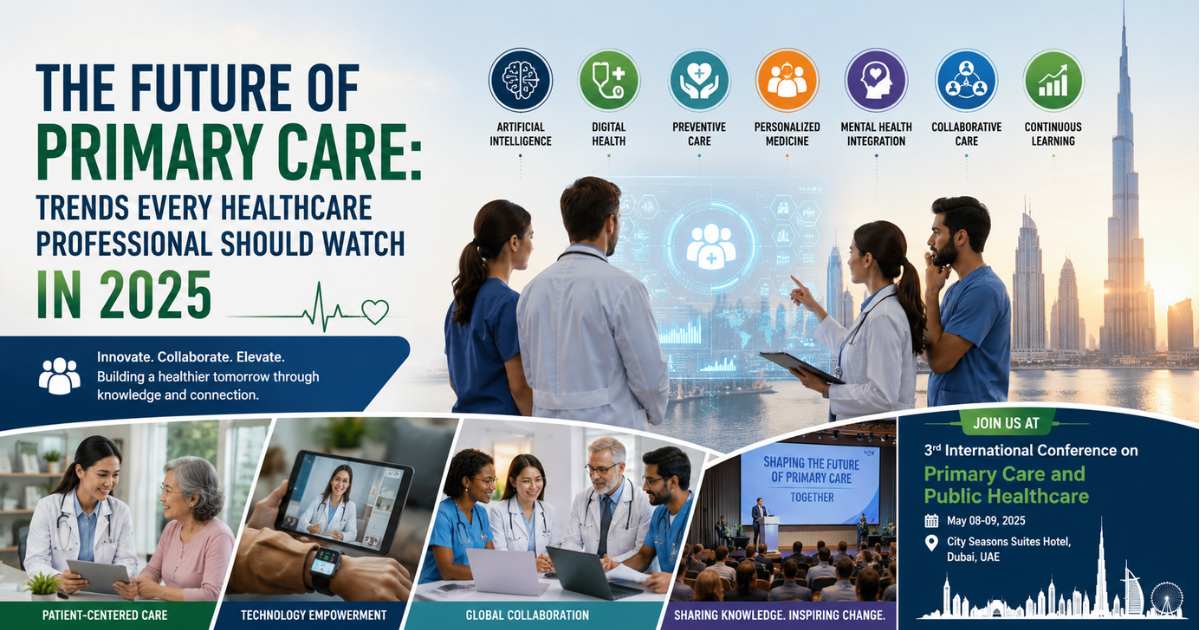
Healthcare professionals exploring the future of primary care through innovation, digital health, and global collaboration.
The Future of Primary Care: Trends Every Healthcare Professional Should Watch in 2025

Primary care is the foundation of every healthcare system, serving as the first point of contact for millions of patients worldwide. As healthcare continues to evolve, primary care professionals are expected to deliver more personalized, preventive, and technology-driven care while addressing increasingly complex patient needs.The coming year promises exciting advancements that will reshape how healthcare is delivered, managed, and experienced. From artificial intelligence and digital health technologies to preventive medicine and integrated care models, 2025 is expected to bring significant opportunities for innovation and collaboration.For physicians, nurses, researchers, healthcare administrators, and public health professionals, staying informed about these emerging trends is essential for improving patient outcomes and strengthening healthcare systems.Let's explore some of the key trends that are expected to shape the future of primary care in 2025.1. Artificial Intelligence Will Become a Clinical PartnerArtificial Intelligence (AI) is no longer a concept of the future—it is becoming an essential tool in everyday healthcare. Healthcare professionals are increasingly using AI to support clinical decision-making, identify disease risks, interpret diagnostic images, and improve workflow efficiency. Rather than replacing healthcare providers, AI is expected to enhance clinical judgment by reducing administrative burdens and providing faster access to evidence-based information. As AI technologies continue to mature, primary care teams will have greater opportunities to deliver timely, accurate, and patient-centered care.2. Preventive Healthcare Will Take Center StageHealthcare systems around the world are shifting from treating illness to preventing disease before it develops.Preventive healthcare focuses on:Routine health screenings Vaccination programs Lifestyle counseling Nutrition guidance Early detection of chronic diseases Community health education Primary care professionals will play an increasingly important role in helping patients adopt healthier lifestyles while reducing the long-term burden of chronic illnesses.3. Digital Health Will Continue to ExpandThe rapid adoption of digital health technologies has transformed patient care.In 2025, healthcare professionals can expect wider use of:Telemedicine Electronic Health Records (EHRs) Remote Patient Monitoring Mobile Health Applications Wearable Health Devices These innovations improve access to healthcare while enabling clinicians to monitor patients more effectively between visits.Digital healthcare is becoming an important extension of traditional primary care rather than a replacement for face-to-face consultations.4. Personalized Medicine Will Improve Patient OutcomesHealthcare is becoming increasingly individualized. Advances in genomics, diagnostics, and precision medicine allow clinicians to develop treatment plans tailored to each patient's unique characteristics. Personalized medicine helps improve treatment effectiveness while minimizing unnecessary interventions. Primary care providers will continue integrating personalized approaches into routine patient management, particularly for chronic diseases such as diabetes, cardiovascular disease, and cancer prevention.5. Mental Health Integration Will Become Standard PracticeMental health is now recognized as an essential component of overall wellbeing.Primary care settings are increasingly integrating mental health services into routine patient care by promoting:Early screening Behavioral health support Collaborative care models Patient education Community-based interventions This integrated approach helps reduce stigma while improving access to mental health services.6. Strengthening Community-Based HealthcareHealthcare is moving beyond hospitals into communities.Community health programs, outreach initiatives, and preventive interventions are helping improve health equity while reducing unnecessary hospital admissions.Primary care professionals are uniquely positioned to work alongside public health agencies, schools, and community organizations to promote healthier populations.Community-centered healthcare is expected to become an increasingly important priority throughout 2025.7. Interdisciplinary Collaboration Will Continue to GrowModern healthcare depends on teamwork. Physicians, nurses, pharmacists, physiotherapists, nutritionists, psychologists, and public health professionals increasingly collaborate to provide comprehensive patient care.Interdisciplinary collaboration improves communication, enhances treatment planning, and ensures patients receive coordinated healthcare services. Healthcare conferences play an important role in encouraging this collaboration by bringing together experts from multiple specialties.8. Lifelong Learning Will Define Healthcare ExcellenceMedical knowledge continues to evolve at an unprecedented pace. Clinical guidelines, research findings, treatment recommendations, and healthcare technologies are constantly changing. For healthcare professionals, continuous education is no longer optional—it is essential. Participating in conferences, workshops, webinars, and professional development programs allows clinicians and researchers to remain current with emerging evidence and best practices. Continuous learning ultimately translates into better patient care and stronger healthcare systems.Why Healthcare Conferences Matter More Than EverOne of the most effective ways to stay informed about emerging healthcare trends is through international scientific conferences.These events provide opportunities to:Learn from global experts Present innovative research Discover new clinical practices Exchange ideas with multidisciplinary professionals Build international research collaborations Expand professional networks Beyond education, conferences inspire innovation by creating meaningful conversations that continue long after the event concludes.Looking Ahead: Join Us at Primary Care 2025As the healthcare landscape continues to evolve, staying connected with the global medical community has never been more important.Building on the success of the previous editions in Dubai (2023) and Bangkok (2024), Scientex Conferences is pleased to present the 3rd International Conference on Primary Care and Public Healthcare, scheduled to take place on May 08–09, 2025, at the City Seasons Suites Hotel, Dubai, UAE.The conference will bring together physicians, researchers, academicians, nurses, healthcare professionals, and public health experts from around the world to discuss the latest scientific developments, innovative healthcare solutions, and collaborative approaches that are shaping the future of primary care.Whether you are an experienced healthcare professional or an early-career researcher, Primary Care 2025 offers an excellent opportunity to expand your knowledge, build professional relationships, and contribute to meaningful discussions that advance healthcare worldwide.ConclusionThe future of primary care is being shaped by innovation, collaboration, and a shared commitment to improving patient outcomes. As healthcare professionals prepare for 2025, embracing emerging technologies, preventive strategies, interdisciplinary teamwork, and continuous education will be essential to meeting the evolving needs of patients and communities. International scientific conferences remain one of the most valuable platforms for exchanging knowledge, fostering research collaborations, and inspiring new ideas that transform healthcare.Scientex Conferences looks forward to welcoming the global healthcare community to Primary Care 2025 in Dubai, where together we will continue exploring innovative solutions that strengthen primary care and public health for a healthier future.

Jul 13, 2026 Read Article
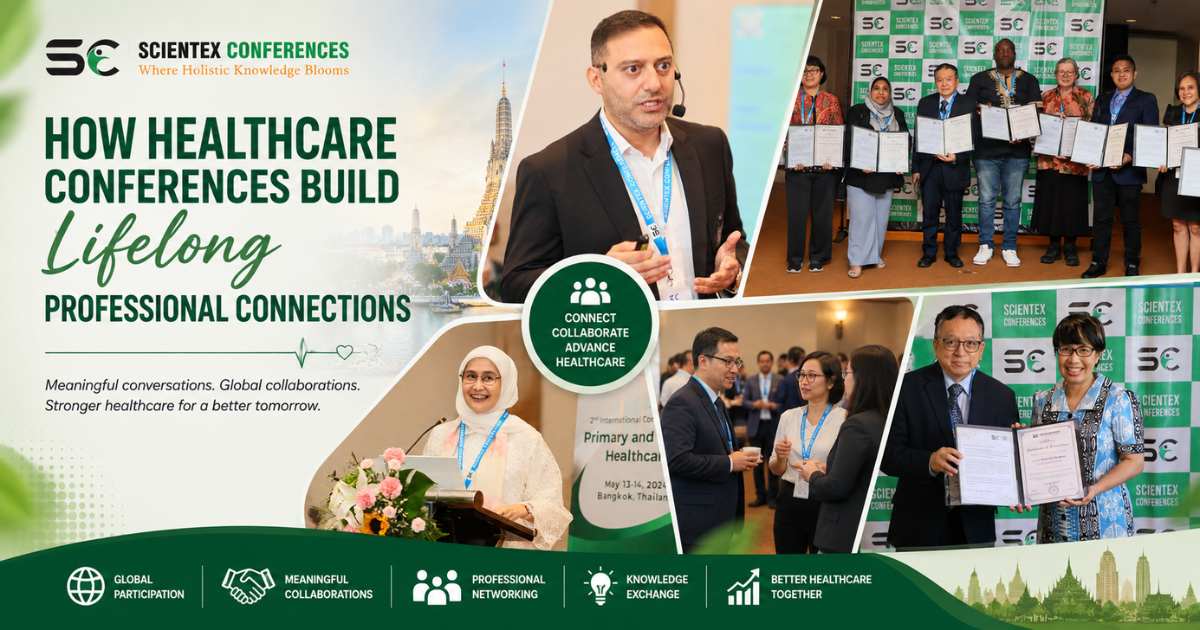
Healthcare professionals networking and collaborating during an international primary care conference.
How Healthcare Conferences Build Lifelong Professional Connections

IntroductionHealthcare is constantly evolving, driven by scientific discoveries, technological advancements, and the collective efforts of professionals dedicated to improving patient care. While journals, online learning platforms, and research publications provide valuable knowledge, one element continues to play a unique role in advancing healthcare—international scientific conferences.Healthcare conferences are more than events where research is presented. They are places where ideas are exchanged, collaborations begin, and lifelong professional relationships are formed. Every conversation between researchers, clinicians, educators, and healthcare leaders has the potential to inspire innovation and improve healthcare delivery.The 2nd International Conference on Primary Care and Public Healthcare, held in Bangkok, Thailand, demonstrated the true value of bringing healthcare professionals together. Beyond the scientific sessions, the conference became a platform for networking, knowledge sharing, and building meaningful professional connections that extend far beyond the event itself.More Than Scientific PresentationsEvery conference begins with a scientific program, but its greatest impact often comes from the conversations that happen between presentations.Throughout the conference, delegates from hospitals, universities, research institutions, and healthcare organizations had opportunities to engage with professionals from different specialties and countries. These interactions encouraged participants to discuss challenges, compare healthcare systems, and share practical experiences from their own clinical and research environments.Unlike virtual communication, face-to-face discussions create stronger professional relationships. They encourage open dialogue, immediate feedback, and the exchange of ideas that may eventually lead to future collaborations.Connecting Healthcare Professionals Across BordersHealthcare challenges are rarely confined to one country. Issues such as chronic disease management, preventive healthcare, infectious diseases, mental health, and healthcare accessibility require international cooperation.Scientific conferences provide an opportunity for professionals from different healthcare systems to learn from one another and explore solutions that can be adapted across regions.At Primary Care 2024, participants represented diverse professional backgrounds, including:Primary Care Physicians Public Health Specialists Family Medicine Experts Nurses and Nurse Practitioners Medical Researchers Academic Faculty Healthcare Administrators Students and Early Career Researchers Each participant brought unique perspectives, enriching discussions and creating a collaborative learning environment.Learning Beyond the Lecture HallSome of the most valuable learning experiences happen outside the conference sessions.Networking breaks, poster presentations, exhibition areas, and informal discussions often become spaces where participants exchange ideas, discuss research interests, and explore opportunities for collaboration.A simple conversation during a coffee break can introduce a researcher to a future collaborator or inspire a clinician to adopt a new approach in patient care.These informal interactions help transform conferences into dynamic learning experiences rather than traditional academic meetings.Encouraging Research CollaborationScientific research thrives through collaboration.Conferences provide researchers with opportunities to present their findings, receive constructive feedback, and identify professionals with similar research interests.These interactions often lead to:Joint research projects Multi-center studies Academic partnerships Collaborative publications Knowledge exchange between institutions By connecting experts from different disciplines, conferences help accelerate research that can improve healthcare practices and patient outcomes worldwide.Supporting Early Career ProfessionalsFor students, young researchers, and early career healthcare professionals, conferences offer invaluable opportunities for professional development.Presenting research at an international conference builds confidence, improves communication skills, and provides constructive feedback from experienced experts.Young professionals also gain exposure to emerging healthcare trends, discover new research opportunities, and begin building professional networks that can support their future careers.Meeting established researchers and clinicians in person often creates mentorship opportunities that continue long after the conference concludes.Building a Global Healthcare CommunityOne of the greatest strengths of international conferences is their ability to create a sense of community.Although participants come from different countries and healthcare systems, they share a common goal—to improve patient care and public health.This shared purpose encourages collaboration rather than competition.By bringing together professionals from multiple disciplines, conferences strengthen global partnerships and promote a culture of continuous learning, innovation, and mutual support.Inspiring Innovation Through Shared ExperiencesEvery healthcare professional has a unique story to tell.During conference discussions, participants share successful clinical practices, research findings, healthcare innovations, and lessons learned from their own experiences.These real-world insights often inspire others to rethink existing practices or adopt new approaches that improve patient care.Innovation does not always begin in a laboratory—it often begins with a conversation between professionals who are passionate about solving similar healthcare challenges.Continuing Connections Beyond the ConferenceThe conclusion of a conference is often the beginning of new professional relationships.Many collaborations established during scientific meetings continue through:Research partnerships Academic exchanges Joint publications Professional mentoring International projects Future conference participation Modern communication platforms make it easier than ever for healthcare professionals to stay connected, exchange ideas, and continue collaborating long after returning to their respective institutions.This ongoing engagement ensures that the knowledge shared during conferences continues to create lasting value.Looking AheadAs healthcare becomes increasingly interconnected, international conferences will continue to play an essential role in advancing scientific knowledge and strengthening professional relationships.The Primary Care and Public Healthcare conference series remains committed to providing a platform where healthcare professionals can learn, collaborate, and contribute to meaningful discussions that shape the future of healthcare.Each edition brings together individuals united by a shared commitment to improving patient care, advancing research, and promoting healthier communities worldwide.ConclusionHealthcare conferences are far more than gatherings of experts—they are places where ideas become collaborations, conversations become partnerships, and professional relationships grow into lifelong connections.The experiences shared during the 2nd International Conference on Primary Care and Public Healthcare demonstrated the importance of bringing the global healthcare community together to exchange knowledge, inspire innovation, and strengthen interdisciplinary collaboration.As the conference series continues to grow, its greatest achievement will not only be the research presented but also the lasting professional connections that contribute to better healthcare around the world.

Jul 13, 2026 Read Article
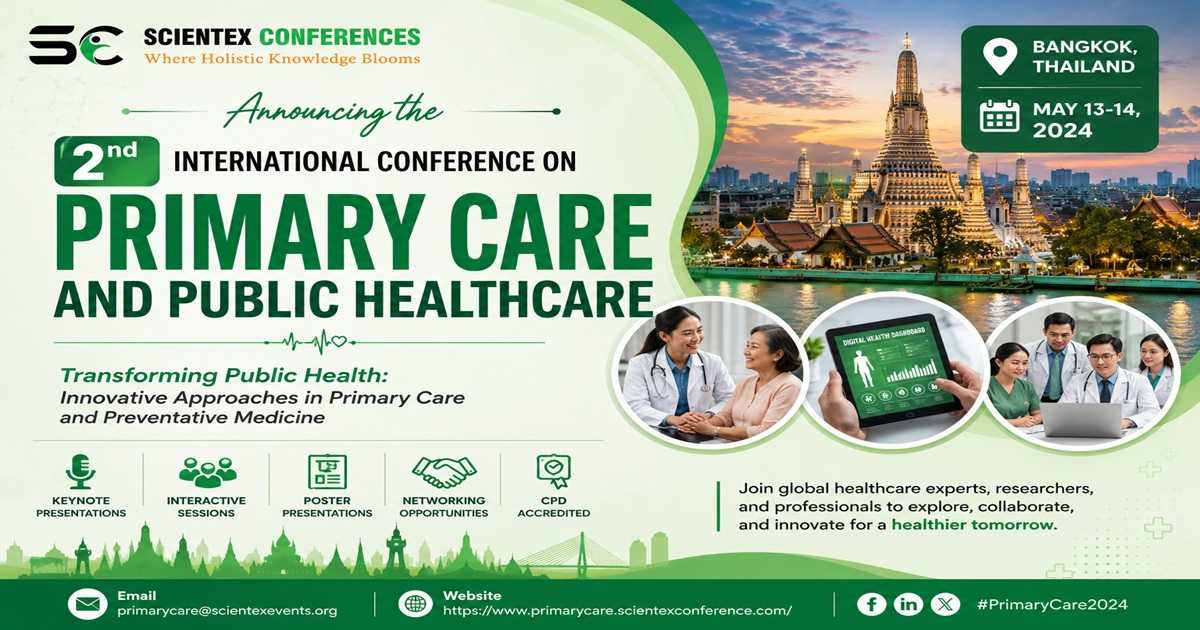
Healthcare professionals attending the 2nd International Conference on Primary Care and Public Healthcare in Bangkok, Thailand.
Announcing the 2nd International Conference on Primary Care and Public Healthcare – Bangkok, Thailand

IntroductionFollowing the success of the inaugural edition in Dubai, Scientex Conferences is delighted to announce the 2nd International Conference on Primary Care and Public Healthcare, scheduled to take place in Bangkok, Thailand, on May 13–14, 2024.Under the theme "Transforming Public Health: Innovative Approaches in Primary Care and Preventative Medicine," the conference will once again bring together healthcare professionals, researchers, academicians, clinicians, public health experts, policymakers, and students from around the world to share knowledge, discuss emerging healthcare trends, and strengthen international collaboration.Building on the momentum of the first edition, the 2024 conference aims to provide an even broader scientific platform for advancing research and improving healthcare delivery across diverse clinical and public health disciplines.Building on the Success of the First EditionThe inaugural Primary Care and Public Healthcare Conference held in Dubai created meaningful opportunities for scientific exchange, professional networking, and interdisciplinary collaboration. Participants from various countries contributed to engaging discussions on preventive healthcare, chronic disease management, healthcare innovation, digital transformation, and public health initiatives. The enthusiasm and positive feedback received from delegates, keynote speakers, and researchers inspired us to continue this journey by expanding the conference series to another vibrant international destination.Why Bangkok?Bangkok is recognized as one of Asia's leading destinations for healthcare, medical education, and international scientific events. The city offers world-class conference facilities, excellent connectivity, and a dynamic healthcare ecosystem that supports innovation and collaboration.Hosting the second edition in Thailand provides participants with an opportunity to experience a diverse healthcare environment while connecting with professionals from across the globe.The city's rich culture, hospitality, and modern infrastructure make it an ideal venue for international scientific discussions and professional networking.Scientific ProgramThe scientific program will feature keynote presentations, oral presentations, poster sessions, panel discussions, and networking opportunities covering a wide range of topics, including:Public Healthcare and ManagementPrimary Health Care and Family MedicineEmergency MedicineMaternal HealthMental Health and Public Health AwarenessInfectious DiseasesChronic Disease ManagementDiabetes and ObesityPrimary Care CardiologyPrimary Care OncologyGeriatric CarePediatricsHealthcare Quality and EpidemiologyDigital Health and Healthcare InnovationReproductive and Sexual HealthOrthopedic Primary CareDermatologyDentistryOphthalmologyGlobal Public Health InitiativesThese sessions are designed to encourage knowledge exchange, showcase current research, and support professional development across multiple healthcare specialties.Opportunities for ParticipantsThe conference welcomes participation from healthcare professionals and researchers at every stage of their careers.Participants will have opportunities to:Present original researchShare clinical experiencesDeliver keynote and oral presentationsShowcase postersNetwork with international expertsCollaborate on future research initiativesLearn about the latest developments in primary care and public healthcareThe event provides an inclusive environment where scientific excellence and interdisciplinary collaboration remain at the forefront.Why Attend?Attending the conference offers numerous professional benefits, including:Access to high-quality scientific sessionsExposure to current healthcare researchNetworking with global healthcare professionalsOpportunities for academic collaborationProfessional development and knowledge sharingInsights into emerging healthcare technologiesDiscussions on evidence-based clinical practiceWhether you are a clinician, researcher, educator, policymaker, or student, the conference offers valuable opportunities to expand your knowledge and strengthen your professional network.Looking AheadHealthcare continues to evolve rapidly, creating new opportunities and challenges for primary care and public health professionals.The 2nd International Conference on Primary Care and Public Healthcare aims to provide a collaborative platform where innovative ideas, research discoveries, and practical experiences come together to shape the future of healthcare.By bringing together experts from different disciplines and regions, the conference will continue to promote meaningful discussions that contribute to healthier communities and stronger healthcare systems.Join Us in BangkokScientex Conferences warmly welcomes the global healthcare community to be part of the 2nd International Conference on Primary Care and Public Healthcare in Bangkok, Thailand from May 13-14, 2024.Together, we look forward to advancing scientific knowledge, fostering international collaboration, and inspiring innovative solutions that improve patient care and public health around the world.We look forward to welcoming you to Bangkok for another memorable and impactful scientific gathering.

Jul 13, 2026 Read Article
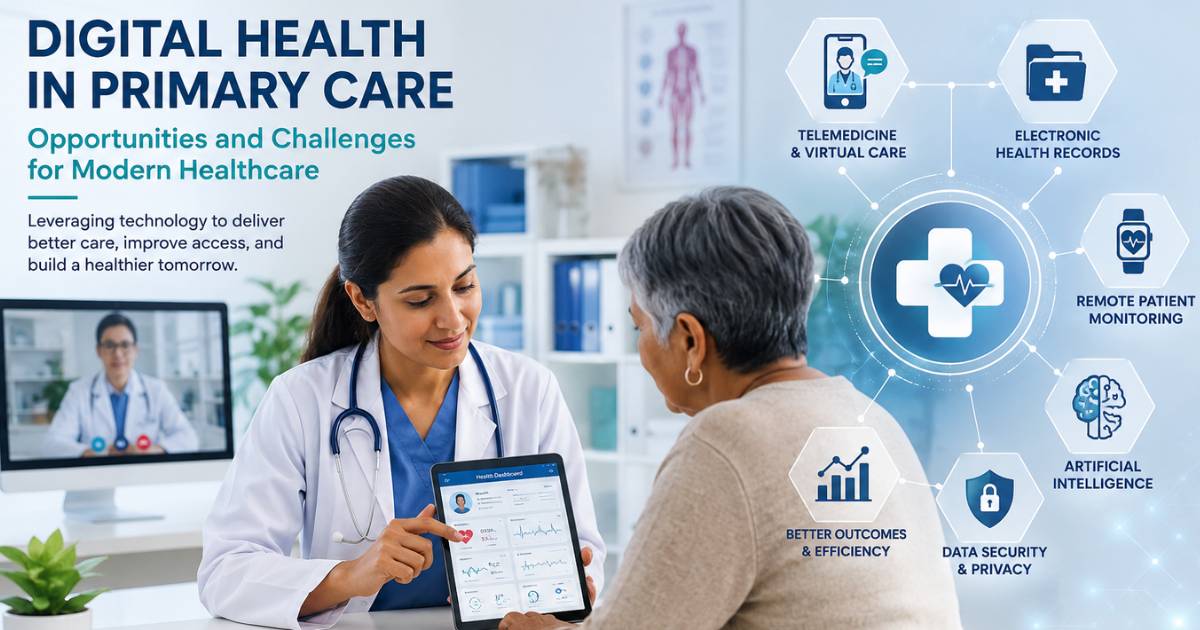
Doctor using digital health technology during a primary care consultation
Digital Health in Primary Care: Opportunities and Challenges for Modern Healthcare

IntroductionDigital health is transforming the way healthcare is delivered, making primary care more accessible, efficient, and patient-centered than ever before. From telemedicine and electronic health records to wearable devices and artificial intelligence (AI), technology is helping healthcare professionals improve patient outcomes while streamlining clinical workflows.As healthcare systems continue to evolve, digital innovation is becoming an essential part of primary care. It enables healthcare providers to detect diseases earlier, monitor chronic conditions more effectively, and communicate with patients beyond traditional clinic visits. However, alongside these opportunities come challenges such as data security, digital literacy, and equitable access to technology.This article explores how digital health is reshaping primary care and the opportunities and challenges that will influence the future of modern healthcare.What Is Digital Health?Digital health refers to the use of technology to support healthcare delivery, improve patient engagement, and enhance clinical decision-making. It combines healthcare services with digital tools to make medical care more connected and efficient.Some of the most common digital health technologies include:Telemedicine and virtual consultationsElectronic Health Records (EHRs)Mobile health (mHealth) applicationsWearable health devicesRemote patient monitoringArtificial Intelligence (AI)Digital prescription systemsTogether, these technologies are helping healthcare providers deliver timely, evidence-based care while improving the overall patient experience.Opportunities for Primary CareExpanding Access Through TelemedicineTelemedicine has become one of the most significant advances in primary care. Patients can now consult healthcare professionals remotely using secure video or telephone appointments, reducing travel time and improving access for those in rural or underserved areas.Virtual consultations are particularly useful for follow-up visits, medication reviews, chronic disease management, and preventive care discussions. While not every medical condition can be managed remotely, telemedicine has become a valuable complement to face-to-face care.Better Care Coordination with Electronic Health RecordsElectronic Health Records have transformed how patient information is managed. Digital records allow healthcare professionals to access medical histories, laboratory reports, prescriptions, and treatment plans in one secure location.The benefits include:Faster clinical decision-makingReduced duplication of testsImproved communication among healthcare providersBetter continuity of careEnhanced patient safetyWell-managed digital records help ensure that patients receive coordinated care across different healthcare settings.Supporting Chronic Disease ManagementPrimary care plays a vital role in managing long-term conditions such as diabetes, hypertension, asthma, and cardiovascular disease.Digital health tools enable healthcare providers to monitor patients remotely through connected devices that measure blood pressure, blood glucose, heart rate, or oxygen saturation. This continuous monitoring allows earlier intervention when changes are detected and encourages patients to become more involved in managing their health.Artificial Intelligence in Clinical PracticeArtificial Intelligence is increasingly supporting healthcare professionals by analysing medical data and identifying patterns that may assist clinical decision-making.AI applications in primary care include:Clinical decision supportRisk prediction for chronic diseasesAdministrative workflow improvementMedical image analysisPopulation health analyticsRather than replacing clinicians, AI is designed to support healthcare professionals by providing additional insights that complement their expertise and judgement.Challenges Facing Digital HealthcareData Privacy and SecurityAs more healthcare information is stored electronically, protecting patient data becomes increasingly important. Healthcare organisations must implement strong cybersecurity measures to safeguard confidential medical information and maintain public trust.Ensuring compliance with data protection regulations and investing in secure digital systems are essential components of responsible digital healthcare.Digital LiteracyTechnology can only improve healthcare when patients and healthcare professionals know how to use it effectively. Older adults, individuals with limited digital experience, and underserved communities may face challenges accessing digital health services. Providing education and user-friendly technologies will help ensure that no one is left behind as healthcare becomes increasingly digital.Healthcare EquityDigital transformation should improve healthcare for everyone—not only for those with reliable internet access or advanced technology. Expanding broadband infrastructure, improving access to affordable digital devices, and designing inclusive healthcare platforms are important steps toward reducing disparities in healthcare access.Maintaining the Human ConnectionAlthough technology improves efficiency, it should never replace the trust and communication that define primary care. Listening to patients, understanding their concerns, and building long-term relationships remain central to effective healthcare. Digital tools should enhance these interactions rather than reduce personal engagement.The Future of Digital HealthThe future of primary care will be shaped by continued innovation and collaboration. Advances in wearable technology, remote patient monitoring, predictive analytics, and AI-supported healthcare are expected to improve preventive care and enable more personalised treatment approaches.Future developments may include:Personalised preventive healthcare plansAI-assisted clinical decision supportExpanded remote monitoring for chronic diseasesSmart diagnostic technologiesGreater integration between healthcare providers through secure digital platformsAs these technologies continue to develop, healthcare systems must balance innovation with patient safety, privacy, and equitable access.ConclusionDigital health is redefining primary care by improving accessibility, strengthening chronic disease management, enhancing preventive healthcare, and supporting more informed clinical decisions. Technologies such as telemedicine, electronic health records, wearable devices, and artificial intelligence are creating new opportunities to deliver high-quality, patient-centred care.At the same time, healthcare organisations must address challenges related to cybersecurity, digital literacy, and healthcare equity to ensure that these innovations benefit all communities.The future of primary care lies in successfully combining technological advancement with compassionate, evidence-based healthcare. By embracing responsible digital innovation, healthcare professionals can continue to improve patient outcomes while building stronger, more resilient healthcare systems for generations to come.

Jul 10, 2026 Read Article
Keynote speaker presenting at the International Conference on Primary Care and Public Healthcare
Inspiring Keynote Presentations: Advancing the Future of Primary Care

IntroductionOne of the defining highlights of the International Conference on Primary Care and Public Healthcare, held on May 22–23, 2023 in Dubai, UAE, was the exceptional lineup of keynote presentations delivered by internationally recognized healthcare professionals and researchers.Keynote sessions provide more than scientific updates—they set the tone for meaningful discussions, introduce innovative ideas, and inspire participants to explore new approaches to patient care, research, and healthcare leadership. During the inaugural conference, keynote speakers from Asia, Europe, the Middle East, and Africa shared their expertise on a wide range of topics, reflecting the multidisciplinary nature of primary care and public healthcare.From cancer prevention and pediatric emergency care to artificial intelligence, integrated medicine, and maternal health, each presentation offered valuable perspectives on the future of healthcare.Addressing Global Healthcare Challenges Through PreventionThe conference began with an insightful keynote by Dr. Krishi Gowdra Revannasiddappa from Zulekha Hospital, UAE, who presented "Human Papilloma Virus Vaccines for Prevention of Cancer: The Future and Challenges."The presentation highlighted the growing importance of vaccination as a preventive strategy in reducing the burden of HPV-related cancers. Discussions focused on increasing awareness, improving vaccine accessibility, addressing implementation challenges, and strengthening preventive healthcare through evidence-based public health initiatives.The session reinforced the essential role of primary care professionals in educating communities, promoting vaccination programs, and supporting cancer prevention efforts worldwide.Improving Pediatric Emergency CareDelivering high-quality healthcare for children remains one of the priorities of every healthcare system.Dr. Idah Mzama from the Catholic University of Malawi shared research titled "Description of Pediatric Burn Injuries at an Academic Hospital, Blantyre, Malawi."The presentation explored the patterns, causes, and management of pediatric burn injuries while emphasizing the importance of prevention, early intervention, and improved emergency care services.The session generated meaningful discussions on child safety, healthcare accessibility, and strengthening emergency response systems for pediatric patients, particularly in resource-limited settings.Reimagining Primary Care for the FutureInnovation in healthcare delivery was another major focus of the conference.Dr. Mohamed El Sahili from Medland Hospital, Zambia introduced participants to "Q-HUB: The Art of Redesigning Primary Care."The presentation explored innovative approaches to improving healthcare delivery by redesigning traditional primary care models. Topics included patient-centered care, workflow optimization, healthcare accessibility, and improving the patient experience through modern healthcare management strategies.The session encouraged healthcare professionals to think beyond conventional systems and embrace innovation that improves efficiency without compromising quality of care.Artificial Intelligence and the Future of HealthcareDay two opened with an engaging presentation by Dr. Roanne Van Voorst from the University of Amsterdam, The Netherlands, titled "The Future of Health – Cooperation Between Medical Experts and Algorithms."As digital technologies continue to transform healthcare, the presentation examined how artificial intelligence can complement clinical expertise rather than replace it.Discussions focused on:Clinical decision supportEthical use of AIData-driven healthcareHuman-centered technologyImproving patient outcomes through collaboration between healthcare professionals and intelligent systemsThe presentation encouraged participants to consider how technology can strengthen primary care while maintaining the essential role of compassionate, evidence-based clinical judgment.Advancing Maternal HealthcareMaternal health remains an important component of comprehensive primary care.Dr. Hala Elsharaky from Alrof Hospital, Kuwait, presented "Cesarean Scar Pregnancy: Review and Case Report."The keynote examined a rare but significant obstetric condition, highlighting the importance of early diagnosis, multidisciplinary management, and continuous professional education in improving maternal healthcare outcomes.The presentation generated valuable discussion among clinicians regarding advances in diagnostic techniques, patient safety, and evidence-based management of complex pregnancies.Integrated Medicine for a Changing Healthcare LandscapeThe conference concluded its keynote program with an inspiring presentation by Dr. Rajendra Srinivas Bandaluppi from Evrensel Healthcare Private Limited, India, titled "Leading the World Healthcare Towards Disruptive Innovation of the New Era of Integrated Medicine."The session explored the evolving relationship between conventional healthcare practices, emerging technologies, and integrated approaches to patient care.Topics included:Innovation in healthcare deliveryHolistic patient managementCollaborative healthcare modelsTechnology-enabled clinical practiceSustainable healthcare systemsThe presentation encouraged healthcare professionals to embrace innovation while maintaining a strong focus on patient-centered care.Key Themes That EmergedAlthough each keynote addressed a different healthcare challenge, several common themes emerged throughout the conference:Prevention as the Foundation of Better HealthcarePreventive medicine continues to play a central role in reducing disease burden and improving long-term health outcomes.Innovation Drives Better Patient CareHealthcare systems are increasingly embracing new technologies, digital solutions, and redesigned care models to improve accessibility and efficiency.Collaboration Across DisciplinesThe future of healthcare depends on stronger partnerships between clinicians, researchers, educators, public health professionals, and policymakers.Evidence-Based Decision MakingScientific research remains fundamental in guiding healthcare practices, improving patient safety, and supporting informed clinical decisions.Preparing Healthcare for TomorrowEmerging technologies, integrated medicine, and continuous professional development will shape the next generation of primary care and public healthcare.Inspiring the Global Healthcare CommunityThe keynote presentations were more than scientific lectures—they served as catalysts for discussion, collaboration, and professional growth.Participants had the opportunity to engage directly with internationally respected experts, exchange ideas, ask questions, and reflect on how new research and innovative practices could be applied within their own healthcare settings.These interactions highlighted the value of international scientific conferences in connecting healthcare professionals across disciplines and geographical boundaries.Looking AheadThe success of the keynote program demonstrated the importance of bringing together experts with diverse experiences and perspectives.As healthcare continues to evolve, scientific dialogue will remain essential in addressing emerging challenges, encouraging innovation, and improving patient care worldwide.The inaugural Primary Care and Public Healthcare Conference successfully created a platform where knowledge, experience, and collaboration came together to inspire the future of healthcare.ConclusionThe keynote presentations delivered during the International Conference on Primary Care and Public Healthcare reflected the conference's commitment to scientific excellence and interdisciplinary collaboration.Each speaker contributed valuable insights that encouraged healthcare professionals to think differently, embrace innovation, and continue advancing primary care and public healthcare.Scientex Conferences extends its sincere appreciation to all keynote speakers for sharing their expertise and helping make the inaugural conference an inspiring and memorable experience. Their contributions laid the foundation for future scientific discussions and continue to inspire progress across the global healthcare community.

Jul 10, 2026 Read Article
Healthcare professionals using digital health technology to support preventive healthcare
The Future of Preventive Healthcare: Transforming Primary Care in the Modern Era

IntroductionHealthcare is evolving from a system focused on treating illness to one that prioritizes preventing disease before it develops. This shift reflects a growing recognition that early intervention, healthy lifestyle choices, and continuous patient care can significantly improve health outcomes while reducing healthcare costs. Preventive healthcare empowers individuals to take an active role in maintaining their well-being and helps healthcare professionals identify potential health risks before they become serious conditions.At the heart of this transformation is primary care. As the first point of contact for most patients, primary care providers play a central role in promoting wellness, preventing disease, coordinating care, and supporting healthier communities. Through routine check-ups, health education, and long-term patient relationships, primary care continues to shape the future of modern healthcare.Understanding Preventive HealthcarePreventive healthcare focuses on reducing the risk of illness through early intervention and proactive care. Instead of waiting for symptoms to appear, it encourages regular health assessments, vaccinations, lifestyle counseling, and evidence-based screening programs.Preventive healthcare is generally divided into three levels:Primary Prevention: Prevents diseases before they occur through immunizations, health education, balanced nutrition, physical activity, and smoking cessation.Secondary Prevention: Detects diseases early through routine screenings such as blood pressure checks, diabetes screening, cholesterol testing, cancer screening, and mental health assessments.Tertiary Prevention: Helps individuals living with chronic illnesses manage their conditions through rehabilitation, medication management, lifestyle modification, and coordinated follow-up care.Together, these approaches improve quality of life while reducing the burden of preventable diseases.Why Primary Care is EssentialPrimary care providers develop long-term relationships with patients, allowing them to understand medical histories, family backgrounds, and lifestyle factors that influence health. This continuity enables healthcare professionals to identify risks early and deliver personalized preventive care.Primary care teams contribute by:Conducting routine health examinationsDelivering vaccinationsManaging chronic diseasesProviding health educationEncouraging healthy lifestyle choicesCoordinating referrals to specialists when necessaryThis comprehensive approach reduces unnecessary hospital admissions, improves patient outcomes, and promotes lifelong wellness.Lifestyle Medicine and Disease PreventionMany of today's most common health conditions—including cardiovascular disease, diabetes, obesity, and certain cancers—are closely linked to lifestyle habits. As a result, lifestyle medicine has become a key component of preventive healthcare.Primary care professionals encourage patients to:Eat nutritious, balanced dietsEngage in regular physical activityMaintain a healthy body weightPrioritize quality sleepManage stress effectivelyAvoid tobacco productsLimit excessive alcohol consumptionEven modest lifestyle improvements can lower the risk of chronic diseases and enhance overall well-being.Digital Innovation in Preventive HealthcareTechnology is making preventive healthcare more accessible, efficient, and personalized. Digital tools help healthcare professionals monitor patients more effectively while encouraging individuals to become active participants in their own health.Important innovations include:Telemedicine: Virtual consultations improve access to healthcare, especially for rural and underserved populations.Wearable Health Devices: Smartwatches and fitness trackers monitor physical activity, heart rate, sleep, and other health indicators.Electronic Health Records: Digital records improve communication among healthcare providers and support continuity of care.Mobile Health Applications: Apps help patients schedule screenings, manage medications, and receive personalized health reminders.These technologies strengthen preventive care while supporting more patient-centered healthcare delivery.Preventing Chronic DiseasesChronic diseases remain one of the leading causes of illness and healthcare expenditure worldwide. Conditions such as hypertension, diabetes, cardiovascular disease, and chronic respiratory disorders often develop gradually and may remain undiagnosed for years.Primary care addresses these challenges through:Regular health assessmentsEarly identification of risk factorsPatient educationMedication managementOngoing follow-up careLifestyle counselingEarly intervention improves treatment outcomes while reducing complications and long-term healthcare costs.Community Health and CollaborationPreventive healthcare extends beyond hospitals and clinics. Communities play an important role in promoting healthier lifestyles through vaccination campaigns, school health programs, workplace wellness initiatives, screening events, and public health education.Successful prevention requires collaboration among healthcare professionals, researchers, educators, public health organizations, and policymakers. Sharing knowledge and implementing evidence-based strategies helps improve healthcare delivery and population health.Scientific conferences and professional education programs further strengthen this collaboration by providing opportunities to exchange research, discuss innovative approaches, and develop solutions to emerging healthcare challenges.Looking AheadThe future of healthcare depends on strengthening preventive care through primary care services, digital innovation, and interdisciplinary collaboration. Advances in artificial intelligence, remote patient monitoring, personalized medicine, and value-based care are creating new opportunities to detect diseases earlier and deliver more individualized care.By investing in prevention, encouraging healthier lifestyles, and supporting continuous research, healthcare systems can improve patient outcomes while building more resilient and sustainable healthcare services.ConclusionPreventive healthcare is transforming modern medicine by shifting the focus from treating illness to promoting lifelong wellness. Through early detection, health education, lifestyle interventions, and coordinated care, primary care professionals help individuals stay healthier and reduce the burden of chronic disease.As healthcare continues to evolve, strengthening primary care and preventive healthcare will remain essential for improving population health, reducing healthcare costs, and creating more sustainable healthcare systems. By embracing innovation, collaboration, and patient-centered care, healthcare professionals can build a future where prevention is the foundation of better health for individuals and communities worldwide.

Jul 10, 2026 Read Article
How We Prepare for an International Conference on Primary Care and Public Health
Preparing for the International Conference on Primary Care and Public Healthcare

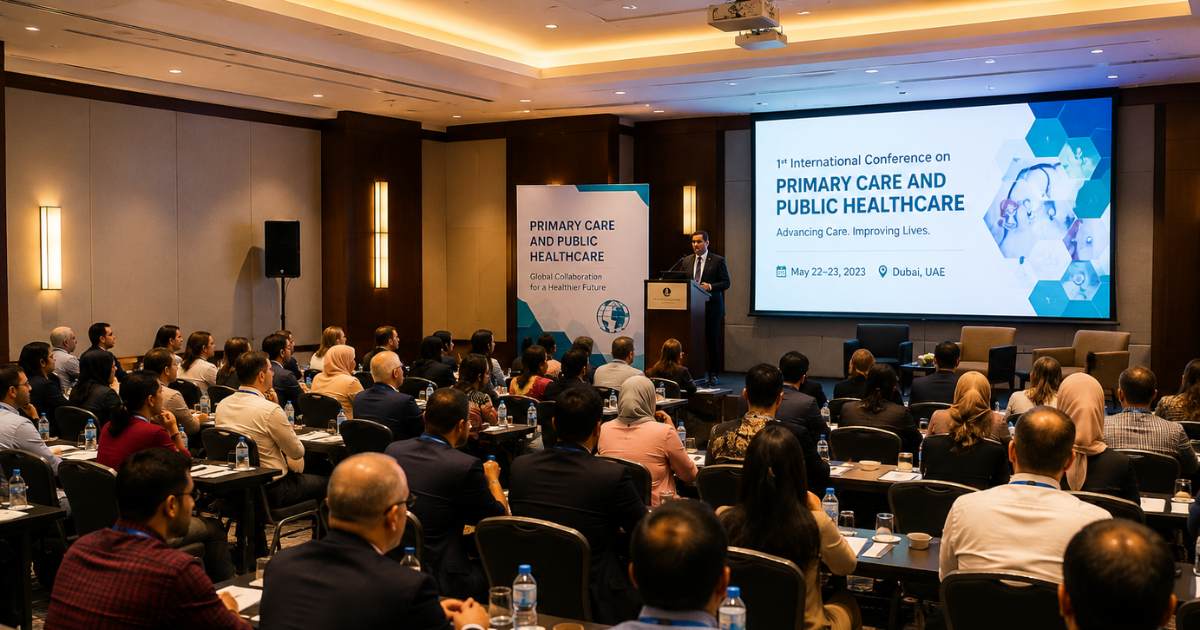
IntroductionEvery successful scientific conference begins with a shared vision—to create a platform where healthcare professionals, researchers, academicians, clinicians, and policymakers can exchange knowledge, discuss emerging challenges, and inspire meaningful collaborations.As preparations continue for the International Conference on Primary Care and Public Healthcare, the enthusiasm surrounding this inaugural event continues to grow. Organized by Scientex Conferences, this conference has been envisioned as a global meeting point for experts dedicated to strengthening primary care services and advancing public healthcare worldwide.Scheduled to take place in Dubai, UAE, in May 22-23, 2023, the conference represents an important milestone in bringing together professionals from diverse healthcare disciplines to discuss the future of patient-centered care, public health, and healthcare innovation.A Vision for Global CollaborationHealthcare is constantly evolving. New technologies, changing disease patterns, ageing populations, and emerging public health priorities require continuous learning and international collaboration.The Primary Care and Public Healthcare Conference was established with a clear objective: to provide a professional platform where experts from around the world can exchange ideas, present innovative research, and discuss practical solutions that improve healthcare delivery.By encouraging interdisciplinary dialogue, the conference aims to foster collaborations that extend beyond the event itself, supporting long-term advancements in clinical practice, research, education, and healthcare policy.Why Primary Care and Public Healthcare?Primary care serves as the foundation of every healthcare system. It is often the first point of contact for individuals seeking medical care and plays a crucial role in prevention, early diagnosis, chronic disease management, and community health.Public healthcare complements these efforts by focusing on population health, disease prevention, health promotion, and equitable access to healthcare services.Bringing these two fields together creates an opportunity to address healthcare challenges from both clinical and community perspectives.The conference will provide a forum for discussing innovative strategies that strengthen healthcare systems while improving patient outcomes across diverse populations.Planning an International Scientific ConferenceOrganizing an international healthcare conference involves months of careful preparation and collaboration.The planning process includes:Developing a comprehensive scientific programIdentifying emerging healthcare topicsEngaging internationally recognized expertsCoordinating keynote presentations and technical sessionsSupporting abstract submissions and peer reviewCreating opportunities for networking and professional collaborationEnsuring an engaging learning experience for participantsEvery aspect of the conference is designed to encourage meaningful scientific discussions and knowledge exchange.Scientific Themes and Session HighlightsThe conference will feature a broad range of topics reflecting the multidisciplinary nature of primary care and public healthcare.The conference is expected to feature sessions on:Public Healthcare and ManagementRole of Primary Care in COVID-19 PandemicEmergency Medicine and Treatment ProceduresSeasonal Allergies and Primary Care TreatmentsMaternal Health in Primary CareMental Health, Addiction, and Public Health Awareness in Primary CareGlobal and Public Health InitiativesPrimary Care OncologyPrimary Care CardiologyPrimary Care UrologyQuality in Primary Care and EpidemiologyInfectious Diseases and Public HealthSurgical Care, Critical Care, and Emergency NursingPrimary Care Advancements in Diabetes and ObesityPediatrics and Nurse PractitionersGeriatric Care in Public HealthPrimary Health Care and Family MedicineOrthopedic Primary CarePrimary Care DermatologyReproductive and Sexual HealthPrimary Care OphthalmologyPrimary Care DentistryChronic Disease Management in Primary CareThese sessions are designed to encourage discussions that address both current healthcare challenges and future opportunities.A Platform for Research and InnovationScientific research continues to transform healthcare by introducing new diagnostic methods, treatment approaches, digital technologies, and evidence-based clinical practices.The conference will provide researchers with an opportunity to present their latest findings through:Oral presentationsPoster presentationsKeynote lecturesPanel discussionsInteractive scientific sessionsSharing research within an international audience promotes collaboration, encourages constructive discussion, and supports the translation of evidence into clinical practice.Connecting Healthcare Professionals WorldwideOne of the greatest strengths of international conferences is the opportunity to connect professionals from different countries and healthcare systems.Participants will have opportunities to interact with:Primary care physiciansFamily medicine specialistsPublic health professionalsNursesResearchersAcademiciansHealthcare administratorsPharmacistsAllied health professionalsPolicy expertsMedical students and early-career researchersThese interactions encourage the exchange of diverse perspectives and strengthen global professional networks.Why Dubai?Dubai has become an internationally recognized destination for business, education, healthcare, and scientific events.Its modern infrastructure, excellent connectivity, multicultural environment, and world-class hospitality make it an ideal location for hosting an international healthcare conference.Participants attending the conference will have the opportunity to experience a dynamic city that reflects innovation, diversity, and global collaboration.Looking Ahead to May 2023As preparations continue, the conference team remains committed to delivering a high-quality scientific program that reflects the latest developments in primary care and public healthcare.Every stage of planning is guided by the goal of creating an educational and collaborative environment where healthcare professionals can learn from one another, exchange experiences, and contribute to advancing healthcare worldwide.The organizing committee looks forward to welcoming distinguished speakers, researchers, clinicians, educators, and healthcare leaders from across the globe to this inaugural event.Join the JourneyThe launch of the International Conference on Primary Care and Public Healthcare marks the beginning of an exciting journey for the global healthcare community.Through collaboration, scientific exchange, and shared commitment to improving healthcare, this conference aims to become a platform that supports innovation, education, and professional growth for years to come.As we continue preparing for this milestone event, we invite healthcare professionals, researchers, academicians, clinicians, and students to follow our updates and become part of a community dedicated to strengthening primary care and public healthcare worldwide.Together, we can inspire new ideas, build meaningful collaborations, and contribute to healthier communities across the globe.

Jul 10, 2026 Read Article
Public healthcare professionals collaborating on healthcare management and digital health systems
Public Healthcare and Management: Lessons for the Future

IntroductionPublic healthcare has always played a vital role in protecting communities, improving quality of life, and ensuring equitable access to essential medical services. Over the past few years, healthcare systems across the world have faced unprecedented challenges that tested their preparedness, resilience, and ability to respond to rapidly changing public health needs.While every country experienced these challenges differently, one lesson became universally clear: strong public healthcare systems are fundamental to healthy societies. Beyond responding to emergencies, effective public healthcare management supports disease prevention, health promotion, community engagement, and long-term population well-being.As healthcare continues to evolve, governments, healthcare professionals, researchers, and policymakers have an opportunity to strengthen public healthcare by learning from recent experiences and investing in sustainable, patient-centered solutions.This article explores some of the most important lessons shaping the future of public healthcare management and highlights why collaboration, innovation, and preparedness will remain central to building resilient healthcare systems.Understanding Public Healthcare ManagementPublic healthcare management involves planning, organizing, delivering, and evaluating healthcare services that improve the health of entire populations. Unlike clinical medicine, which focuses on individual patients, public healthcare considers the broader needs of communities.Key responsibilities include:Disease prevention and health promotionHealthcare policy implementationEmergency preparednessVaccination and immunization programsCommunity health educationResource allocationEnvironmental and occupational healthMonitoring population health trendsEffective public healthcare management ensures that healthcare services are accessible, affordable, and responsive to changing community needs.Lesson One: Prevention is Better Than TreatmentOne of the strongest lessons learned in recent years is the value of preventive healthcare. Investing in prevention not only improves health outcomes but also reduces the long-term burden on hospitals and healthcare systems.Preventive healthcare includes:Routine health screeningsVaccination programsLifestyle educationEarly disease detectionNutrition and physical activity initiativesTobacco and alcohol reduction programsMental health awarenessCommunities that prioritize prevention are better equipped to reduce the incidence of chronic diseases and improve overall population health.Lesson Two: Prepared Healthcare Systems Save LivesHealthcare emergencies can emerge unexpectedly. Whether responding to infectious disease outbreaks, natural disasters, or environmental health risks, preparedness plays a critical role in protecting communities.Prepared healthcare systems require:Emergency response planningWell-trained healthcare professionalsAdequate medical suppliesStrong laboratory networksEffective communication systemsCoordination among healthcare organizationsPreparedness is no longer viewed as an optional investment—it is an essential component of modern healthcare management.Lesson Three: Digital Health is Transforming Public HealthcareTechnology has rapidly changed the way healthcare services are delivered and managed. Digital solutions have improved communication, expanded access to care, and supported data-driven decision-making.Some of the most significant developments include:Telemedicine: Virtual consultations have improved access to healthcare for patients living in rural or underserved communities while reducing unnecessary travel and waiting times.Electronic Health Records: Integrated digital records allow healthcare providers to share patient information securely, improving continuity of care and reducing duplication of services.Health Data Analytics: Large-scale health data enables public health authorities to identify trends, monitor disease outbreaks, and allocate healthcare resources more effectively.Mobile Health Applications: Health apps encourage individuals to monitor chronic conditions, track medications, schedule appointments, and adopt healthier lifestyles. Digital health continues to expand opportunities for improving both clinical care and public health management.Lesson Four: Strong Communities Build Strong Healthcare SystemsHealthcare extends beyond hospitals and clinics. Community participation is one of the most valuable resources in improving population health.Community-based healthcare initiatives encourage individuals to take an active role in maintaining their health through education, awareness, and preventive care.Examples include:Community vaccination campaignsSchool health programsMaternal and child health servicesNutrition educationLocal health screeningsMental health support groupsWhen communities are actively engaged, healthcare interventions become more effective and sustainable.Lesson Five: Healthcare Equity Must Remain a PriorityAccess to quality healthcare should not depend on geographic location, income, age, or social background.Reducing healthcare disparities requires continued investment in:Rural healthcare servicesAffordable primary careMaternal and child healthHealth literacyAccessible preventive servicesWorkforce developmentCreating equitable healthcare systems ensures that everyone has the opportunity to achieve better health outcomes.The Growing Importance of Interdisciplinary CollaborationToday's healthcare challenges require collaboration across multiple disciplines.Public healthcare professionals increasingly work alongside:Primary care physiciansNursesPharmacistsEpidemiologistsPublic health researchersHealth administratorsPolicy expertsAcademic institutionsCommunity organizationsThis collaborative approach enables healthcare systems to respond more effectively to complex health challenges while encouraging innovation and knowledge sharing.Research and Innovation Driving Healthcare ForwardScientific research continues to improve healthcare delivery by introducing new approaches to prevention, diagnosis, treatment, and health system management.Areas of ongoing innovation include:Artificial Intelligence in healthcarePredictive analyticsPrecision medicineRemote patient monitoringWearable health technologiesPopulation health researchDigital public health platformsIntegrating research findings into healthcare policies and clinical practice strengthens healthcare systems and improves patient outcomes.Investing in the Healthcare WorkforceHealthcare professionals remain the foundation of every healthcare system.Supporting the workforce involves:Continuing professional educationLeadership developmentEvidence-based practice trainingWorkplace well-being initiativesInterprofessional collaborationDigital health competenciesEmpowering healthcare professionals ensures they are prepared to meet the evolving needs of patients and communities.Why Scientific Conferences MatterHealthcare advances through collaboration and the exchange of knowledge.International scientific conferences provide valuable opportunities for healthcare professionals, researchers, educators, and policymakers to:Present original researchShare successful healthcare initiativesExplore emerging healthcare technologiesDiscuss policy developmentsBuild international collaborationsLearn from experts across multiple disciplinesThese professional interactions contribute to continuous improvements in healthcare delivery and public health practice around the world.Looking Toward the FutureThe future of public healthcare management will depend on resilience, innovation, collaboration, and a commitment to equitable healthcare.Healthcare systems that invest in prevention, embrace digital transformation, strengthen primary care, and encourage international collaboration will be better prepared to address future health challenges.As new technologies emerge and healthcare needs continue to evolve, public healthcare professionals will play an increasingly important role in shaping healthier communities and more sustainable healthcare systems.The lessons learned today provide valuable guidance for building a future where healthcare is more accessible, responsive, and centered on improving the well-being of every individual.ConclusionPublic healthcare management is much more than the administration of healthcare services—it is the foundation for protecting communities, improving population health, and preparing societies for future challenges.By prioritizing prevention, embracing innovation, investing in healthcare professionals, and fostering global collaboration, healthcare systems can become stronger, more resilient, and better equipped to meet the needs of future generations.As healthcare continues to evolve, one principle remains unchanged: strong public healthcare systems create healthier people, stronger communities, and a more sustainable future for all.

Jul 10, 2026 Read Article
Primary care physician consulting patients in a healthcare clinic
Why Primary Care is the Foundation of Every Healthcare System

IntroductionHealthcare systems around the world are built on one common principle: providing accessible, timely, and quality care to every individual. At the center of this mission lies primary care—the first point of contact for people seeking medical attention and one of the most influential components of any healthcare system.Primary care extends far beyond treating common illnesses. It focuses on prevention, early diagnosis, chronic disease management, health education, and the long-term well-being of individuals and communities. Whether delivered through family physicians, general practitioners, nurse practitioners, community health workers, or multidisciplinary healthcare teams, primary care serves as the gateway to comprehensive healthcare.The global healthcare landscape has evolved significantly over the past few years. As countries continue to strengthen their healthcare infrastructure, the importance of primary care has become more evident than ever. Investing in strong primary care services not only improves individual health outcomes but also contributes to healthier populations, more resilient healthcare systems, and sustainable economic development.Understanding Primary CarePrimary care refers to the essential healthcare services that individuals receive throughout their lives. It emphasizes continuous, person-centered care rather than focusing solely on specific diseases or medical conditions.Primary care providers are responsible for addressing a wide range of health concerns, including:Preventive health screeningsDiagnosis and treatment of common illnessesManagement of chronic diseasesMaternal and child healthcareMental health supportHealth education and lifestyle counselingVaccination and immunization programsReferral to specialized care when necessaryUnlike specialized healthcare, primary care develops long-term relationships with patients, allowing providers to understand their medical history, family background, and overall health needs.The First Line of DefenseOne of the greatest strengths of primary care is its ability to detect health problems at an early stage. Regular health check-ups, preventive screenings, and routine consultations enable healthcare professionals to identify potential risks before they become serious medical conditions. Early detection plays a critical role in managing diseases such as hypertension, diabetes, cardiovascular disorders, and certain types of cancer. Identifying these conditions early often leads to better treatment outcomes, reduced healthcare costs, and improved quality of life for patients. Primary care also helps reduce unnecessary hospital admissions by managing health conditions effectively within the community.Promoting Preventive HealthcareModern healthcare is increasingly shifting from treating diseases to preventing them. Primary care professionals encourage healthy lifestyles through education, counseling, and regular follow-up.Preventive healthcare includes:Routine medical examinationsVaccination programsNutritional guidancePhysical activity promotionSmoking cessation supportMental wellness awarenessHealth risk assessmentsBy encouraging individuals to make informed lifestyle choices, primary care contributes to reducing the burden of preventable diseases.Managing Chronic DiseasesChronic diseases are among the leading causes of illness worldwide. Conditions such as diabetes, asthma, hypertension, obesity, and cardiovascular diseases require continuous monitoring rather than one-time treatment.Primary care providers play a vital role in helping patients manage these conditions through:Regular health assessmentsMedication managementLifestyle modification plansPatient educationMonitoring treatment effectivenessCoordinating specialist referrals when requiredThis continuity of care helps patients maintain better control over their health while reducing complications and emergency hospital visits.Improving Access to HealthcareAccessibility is one of the defining characteristics of an effective healthcare system. Primary care services are often delivered within local communities, making healthcare more convenient and affordable for patients.Community-based healthcare centers, family medicine clinics, and general practice facilities ensure that people receive medical attention close to where they live and work.Improved access leads to:Earlier diagnosisTimely treatmentBetter disease preventionReduced healthcare disparitiesIncreased patient satisfactionStrengthening access to primary care is especially important for rural populations, underserved communities, older adults, and individuals with limited healthcare resources.Supporting Public Health InitiativesPrimary care and public health share a common goal: improving the health of populations.Primary care professionals contribute significantly to public health by participating in:Vaccination campaignsDisease surveillanceCommunity health educationHealth promotion initiativesInfectious disease preventionScreening programsEmergency preparednessThe lessons learned during recent global health challenges demonstrated the importance of integrating primary care with broader public health strategies. Local healthcare providers became trusted sources of information, helping communities respond effectively to rapidly changing healthcare needs.Building Trust Through Continuous CareOne of the unique strengths of primary care is the long-term relationship between healthcare providers and patients. This continuity builds trust, encourages open communication, and improves adherence to treatment plans.Patients who have regular access to primary care providers are more likely to:Attend routine health check-upsFollow medical adviceReceive recommended screeningsManage chronic conditions effectivelyDiscuss mental health concernsSeek medical attention before illnesses become severeTrust remains one of the most valuable components of effective healthcare delivery.Technology and the Future of Primary CareHealthcare is becoming increasingly digital, creating new opportunities for improving patient care. Advances in technology are transforming the way primary care services are delivered.Emerging innovations include:TelemedicineVirtual consultations improve access for patients living in remote locations or those with mobility challenges.Electronic Health RecordsDigital patient records enhance continuity of care by allowing healthcare professionals to access accurate medical information efficiently.Remote Patient MonitoringWearable devices and connected health technologies enable healthcare providers to monitor patients with chronic diseases from home.Artificial IntelligenceAI-supported clinical decision tools assist healthcare professionals in identifying patterns, supporting diagnoses, and improving care coordination while complementing—not replacing—clinical expertise.These innovations are helping primary care become more efficient, patient-centered, and accessible.Addressing Healthcare ChallengesDespite its importance, primary care continues to face several global challenges, including:Growing demand for healthcare servicesWorkforce shortagesIncreasing prevalence of chronic diseasesAgeing populationsHealthcare inequalitiesRising healthcare costsAddressing these challenges requires collaboration among governments, healthcare organizations, academic institutions, researchers, and frontline healthcare professionals.Investing in education, workforce development, digital health infrastructure, and evidence-based policies will be essential for strengthening primary care systems worldwide.The Role of Scientific CollaborationHealthcare advances through the exchange of knowledge and experience. Scientific conferences, research collaborations, and interdisciplinary discussions provide valuable opportunities for professionals to share innovative practices and explore solutions to common healthcare challenges. Bringing together clinicians, researchers, educators, public health experts, nurses, pharmacists, policymakers, and healthcare leaders encourages meaningful dialogue that supports continuous improvement in patient care. These collaborative efforts contribute to advancing evidence-based medicine and strengthening healthcare systems across different regions of the world.Looking AheadPrimary care remains the foundation upon which effective healthcare systems are built. Its emphasis on prevention, accessibility, continuity of care, and community engagement makes it one of the most impactful areas of modern medicine.As healthcare continues to evolve, strengthening primary care will remain essential for improving health outcomes, reducing inequalities, and creating resilient healthcare systems capable of meeting future challenges.The future of healthcare depends not only on medical innovation but also on the dedication of healthcare professionals who provide compassionate, patient-centered care every day. By supporting primary care, investing in collaboration, and embracing innovation, we can build healthier communities and improve the quality of life for people around the world.ConclusionPrimary care is much more than the first step in a patient's healthcare journey—it is the foundation that supports prevention, treatment, recovery, and lifelong wellness. Strong primary care systems create healthier populations, reduce healthcare costs, and improve the overall efficiency of healthcare delivery.As the healthcare community continues to work toward innovative, equitable, and sustainable solutions, primary care will remain at the heart of these efforts. Through continued research, education, and international collaboration, we can ensure that primary care continues to evolve to meet the changing needs of societies across the globe.

Jul 10, 2026 Read Article

My Journey Begins as Conference Manager
My Journey Begins as Conference Manager for the Primary Care and Public Healthcare Conference

A New Beginning in Healthcare ConferencesEvery successful conference begins with a vision—to create a platform where professionals can exchange ideas, share research, and build meaningful collaborations. In 2022, I began my journey as a Conference Manager with Scientex Conferences, taking on the responsibility of developing an international platform dedicated to primary care and public healthcare.The opportunity to contribute to this field marked the beginning of an exciting professional chapter. Primary care is the cornerstone of every healthcare system, serving as the first point of contact for patients and playing a vital role in disease prevention, health promotion, and the management of chronic conditions. As healthcare continues to evolve worldwide, creating opportunities for collaboration and knowledge sharing has become more important than ever.Why Primary Care MattersPrimary care professionals are at the heart of healthcare delivery. Physicians, nurses, pharmacists, public health specialists, allied healthcare professionals, researchers, educators, and policymakers all contribute to improving patient outcomes and strengthening communities.The importance of primary care extends beyond treating illness. It focuses on:Preventive healthcare and early disease detectionPatient-centered careCommunity health initiativesChronic disease managementHealth education and promotionImproving access to quality healthcare servicesBringing experts from these diverse disciplines together creates opportunities to exchange innovative ideas and discuss practical solutions to healthcare challenges.Beginning the Journey with Scientex ConferencesJoining Scientex Conferences provided an opportunity to contribute to the organization of international scientific meetings that encourage collaboration among healthcare professionals worldwide. My role as Conference Manager involves coordinating with researchers, clinicians, academic experts, healthcare organizations, and industry professionals to create an engaging and impactful scientific program.Behind every conference is months of planning, communication, and coordination. From identifying emerging topics to connecting with experts across different specialties, every step is designed to ensure that the conference becomes a valuable platform for learning and professional development.One of the most rewarding aspects of this role is interacting with healthcare professionals from different countries, each bringing unique perspectives and experiences that enrich scientific discussions.A Shared Vision for the FutureHealthcare is continuously advancing through research, innovation, and collaboration. Scientific conferences play an essential role in supporting this progress by providing opportunities for professionals to present their latest findings, discuss clinical experiences, and establish international partnerships.Our vision is to create an inclusive environment where participants can:Share original research and clinical expertiseLearn about emerging developments in primary care and public healthConnect with international healthcare professionalsExplore interdisciplinary approaches to patient careEncourage collaborations that extend beyond the conference itselfBy fostering these interactions, conferences can contribute to improving healthcare practices on both local and global levels.Looking AheadAs this journey begins, our focus is on building a conference that brings together experts committed to advancing primary care and public healthcare. We are excited to work with healthcare professionals, researchers, academicians, policymakers, and students who share a passion for improving healthcare systems worldwide.The coming months will involve careful planning, scientific program development, and collaboration with distinguished professionals from across the globe. Every conversation and every contribution will help shape an event that supports innovation, education, and professional growth.Join Us on This JourneyThe beginning of any conference series is built on a shared commitment to knowledge exchange and collaboration. I look forward to connecting with healthcare professionals around the world and working together to create opportunities that inspire innovation in primary care and public healthcare.This is just the beginning of an exciting journey. As preparations continue, I will be sharing updates, healthcare insights, and conference news through this blog. I invite you to follow along as we work toward building a global platform that supports excellence in primary care and public health.Thank you for being part of this journey, and I look forward to welcoming you to future editions of the Primary Care and Public Healthcare Conference.

Jul 10, 2026 Read Article
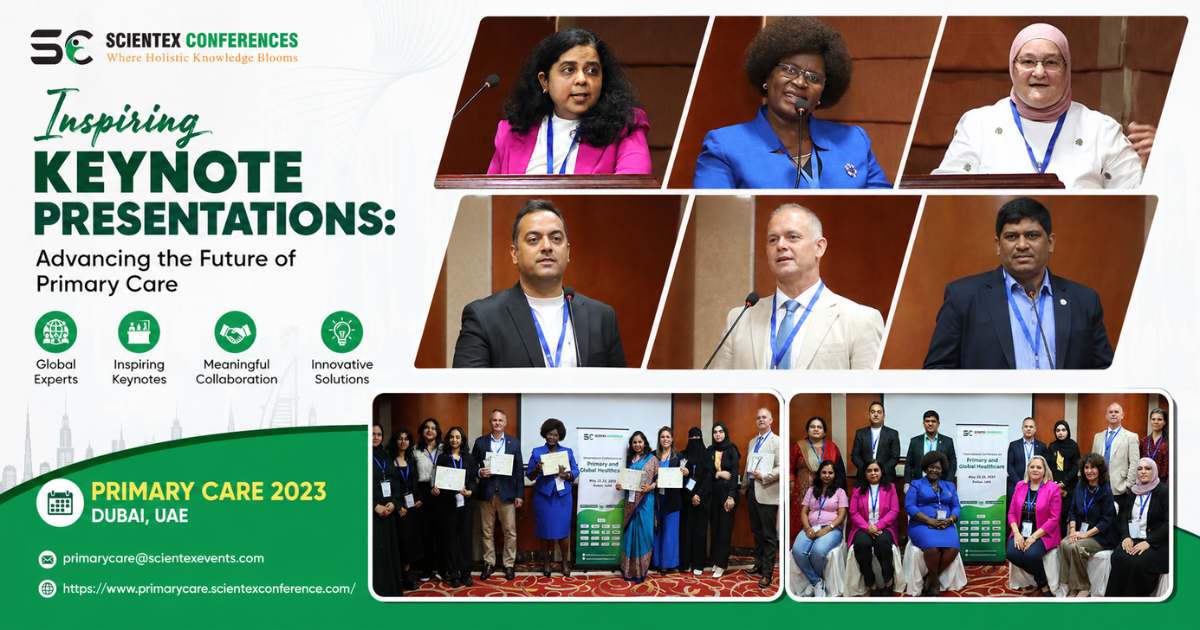
More Blogs
Archives