

The Future of Primary Care: Trends Every Healthcare Professional Should Watch in 2025
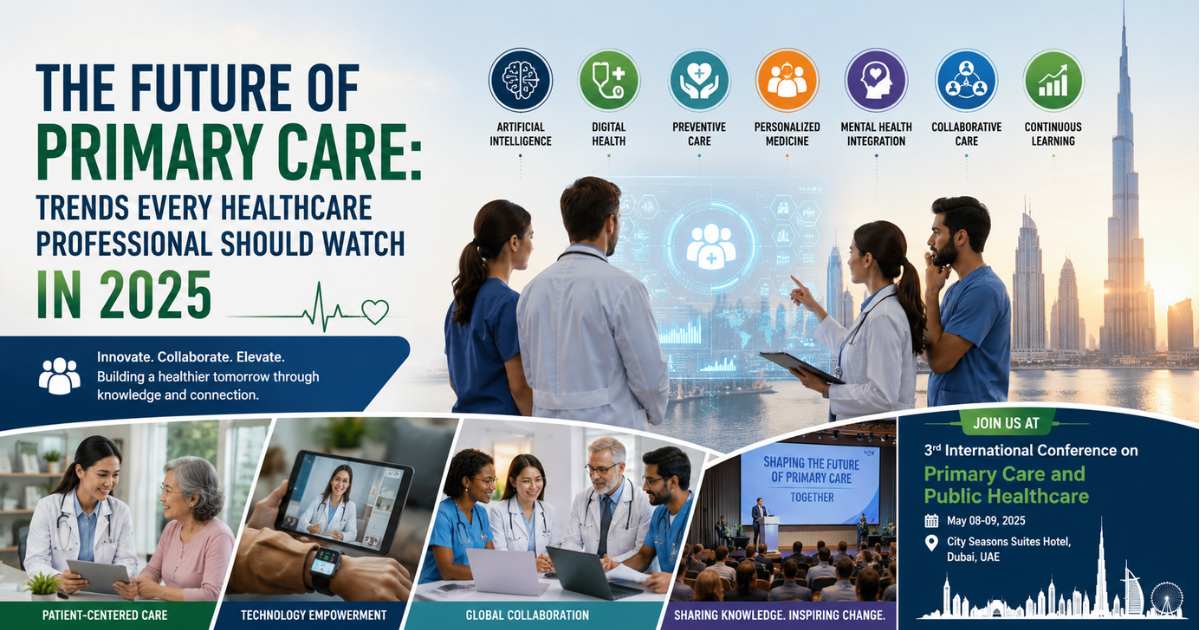
Primary care is the foundation of every healthcare system, serving as the first point of contact for millions of patients worldwide. As healthcare continues to evolve, primary care professionals are expected to deliver more personalized, preventive, and technology-driven care while addressing increasingly complex patient needs.
The coming year promises exciting advancements that will reshape how healthcare is delivered, managed, and experienced. From artificial intelligence and digital health technologies to preventive medicine and integrated care models, 2025 is expected to bring significant opportunities for innovation and collaboration.
For physicians, nurses, researchers, healthcare administrators, and public health professionals, staying informed about these emerging trends is essential for improving patient outcomes and strengthening healthcare systems.
Let's explore some of the key trends that are expected to shape the future of primary care in 2025.
1. Artificial Intelligence Will Become a Clinical Partner
Artificial Intelligence (AI) is no longer a concept of the future—it is becoming an essential tool in everyday healthcare. Healthcare professionals are increasingly using AI to support clinical decision-making, identify disease risks, interpret diagnostic images, and improve workflow efficiency. Rather than replacing healthcare providers, AI is expected to enhance clinical judgment by reducing administrative burdens and providing faster access to evidence-based information. As AI technologies continue to mature, primary care teams will have greater opportunities to deliver timely, accurate, and patient-centered care.
2. Preventive Healthcare Will Take Center Stage
Healthcare systems around the world are shifting from treating illness to preventing disease before it develops.
Preventive healthcare focuses on:
- Routine health screenings
- Vaccination programs
- Lifestyle counseling
- Nutrition guidance
- Early detection of chronic diseases
- Community health education
Primary care professionals will play an increasingly important role in helping patients adopt healthier lifestyles while reducing the long-term burden of chronic illnesses.
3. Digital Health Will Continue to Expand
The rapid adoption of digital health technologies has transformed patient care.
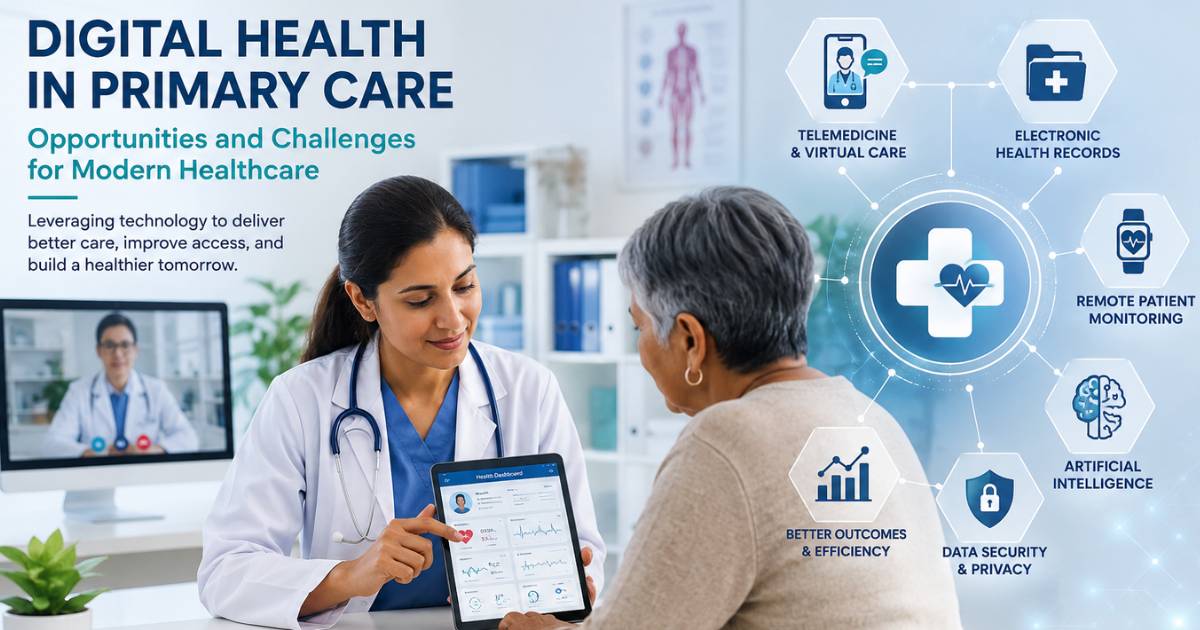
In 2025, healthcare professionals can expect wider use of:
- Telemedicine
- Electronic Health Records (EHRs)
- Remote Patient Monitoring
- Mobile Health Applications
- Wearable Health Devices
These innovations improve access to healthcare while enabling clinicians to monitor patients more effectively between visits.
Digital healthcare is becoming an important extension of traditional primary care rather than a replacement for face-to-face consultations.
4. Personalized Medicine Will Improve Patient Outcomes
Healthcare is becoming increasingly individualized. Advances in genomics, diagnostics, and precision medicine allow clinicians to develop treatment plans tailored to each patient's unique characteristics. Personalized medicine helps improve treatment effectiveness while minimizing unnecessary interventions. Primary care providers will continue integrating personalized approaches into routine patient management, particularly for chronic diseases such as diabetes, cardiovascular disease, and cancer prevention.
5. Mental Health Integration Will Become Standard Practice
Mental health is now recognized as an essential component of overall wellbeing.
Primary care settings are increasingly integrating mental health services into routine patient care by promoting:
- Early screening
- Behavioral health support
- Collaborative care models
- Patient education
- Community-based interventions
This integrated approach helps reduce stigma while improving access to mental health services.
6. Strengthening Community-Based Healthcare
Healthcare is moving beyond hospitals into communities.
Community health programs, outreach initiatives, and preventive interventions are helping improve health equity while reducing unnecessary hospital admissions.
Primary care professionals are uniquely positioned to work alongside public health agencies, schools, and community organizations to promote healthier populations.
Community-centered healthcare is expected to become an increasingly important priority throughout 2025.
7. Interdisciplinary Collaboration Will Continue to Grow
Modern healthcare depends on teamwork. Physicians, nurses, pharmacists, physiotherapists, nutritionists, psychologists, and public health professionals increasingly collaborate to provide comprehensive patient care.
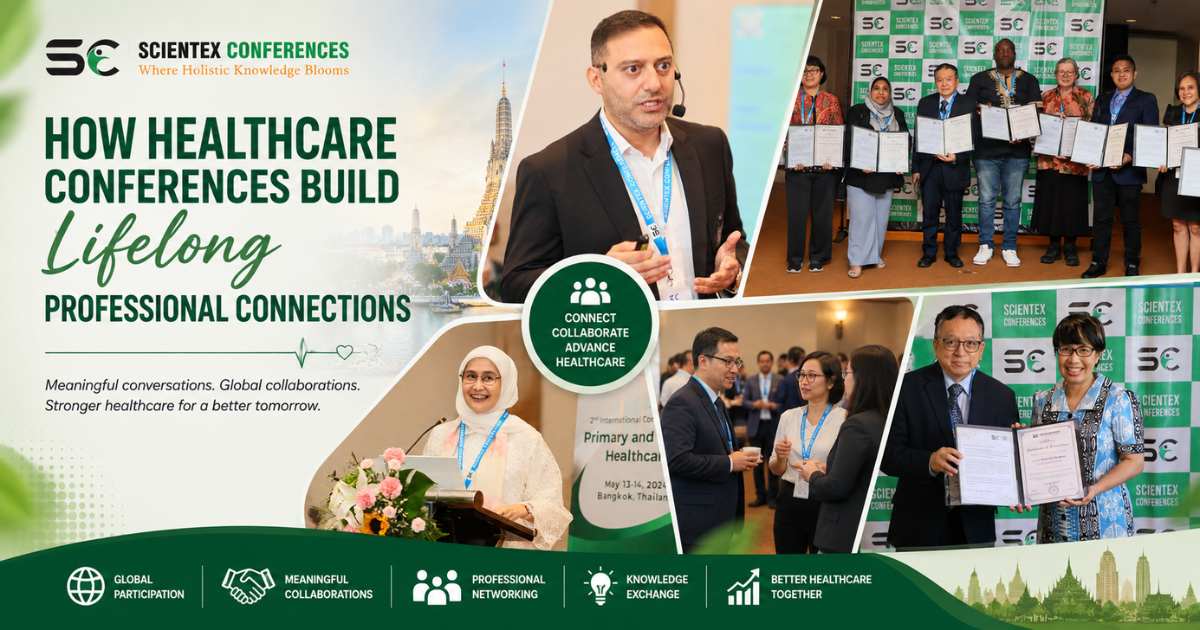
Interdisciplinary collaboration improves communication, enhances treatment planning, and ensures patients receive coordinated healthcare services. Healthcare conferences play an important role in encouraging this collaboration by bringing together experts from multiple specialties.
8. Lifelong Learning Will Define Healthcare Excellence
Medical knowledge continues to evolve at an unprecedented pace. Clinical guidelines, research findings, treatment recommendations, and healthcare technologies are constantly changing. For healthcare professionals, continuous education is no longer optional—it is essential. Participating in conferences, workshops, webinars, and professional development programs allows clinicians and researchers to remain current with emerging evidence and best practices. Continuous learning ultimately translates into better patient care and stronger healthcare systems.
Why Healthcare Conferences Matter More Than Ever
One of the most effective ways to stay informed about emerging healthcare trends is through international scientific conferences.
These events provide opportunities to:
- Learn from global experts
- Present innovative research
- Discover new clinical practices
- Exchange ideas with multidisciplinary professionals
- Build international research collaborations
- Expand professional networks
Beyond education, conferences inspire innovation by creating meaningful conversations that continue long after the event concludes.
Looking Ahead: Join Us at Primary Care 2025
As the healthcare landscape continues to evolve, staying connected with the global medical community has never been more important.
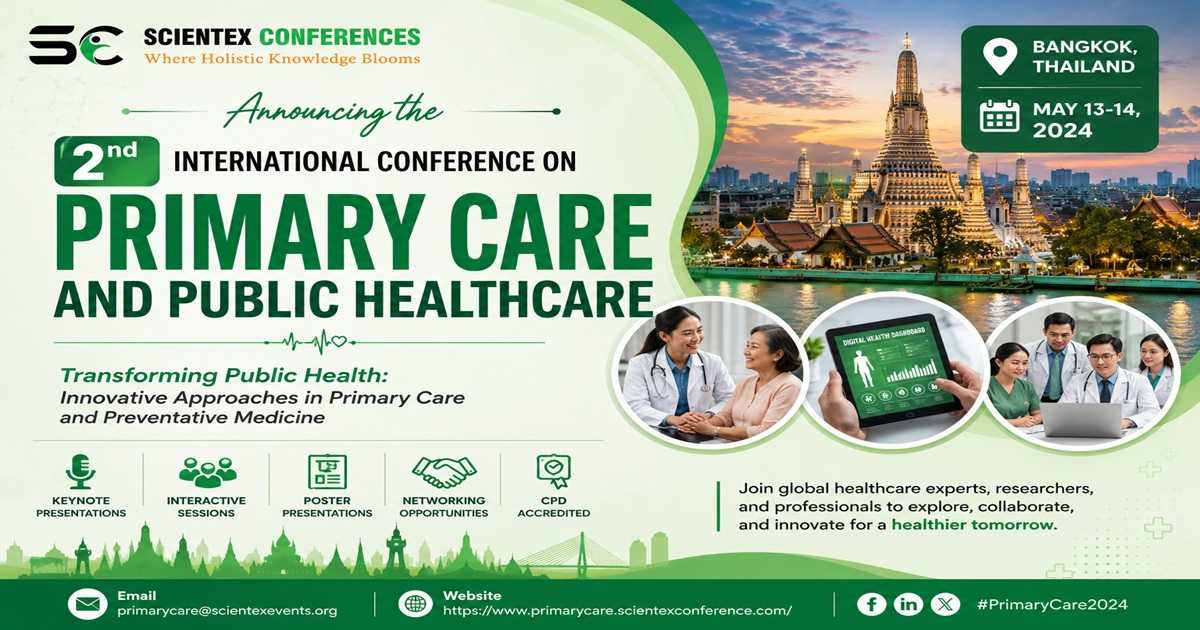
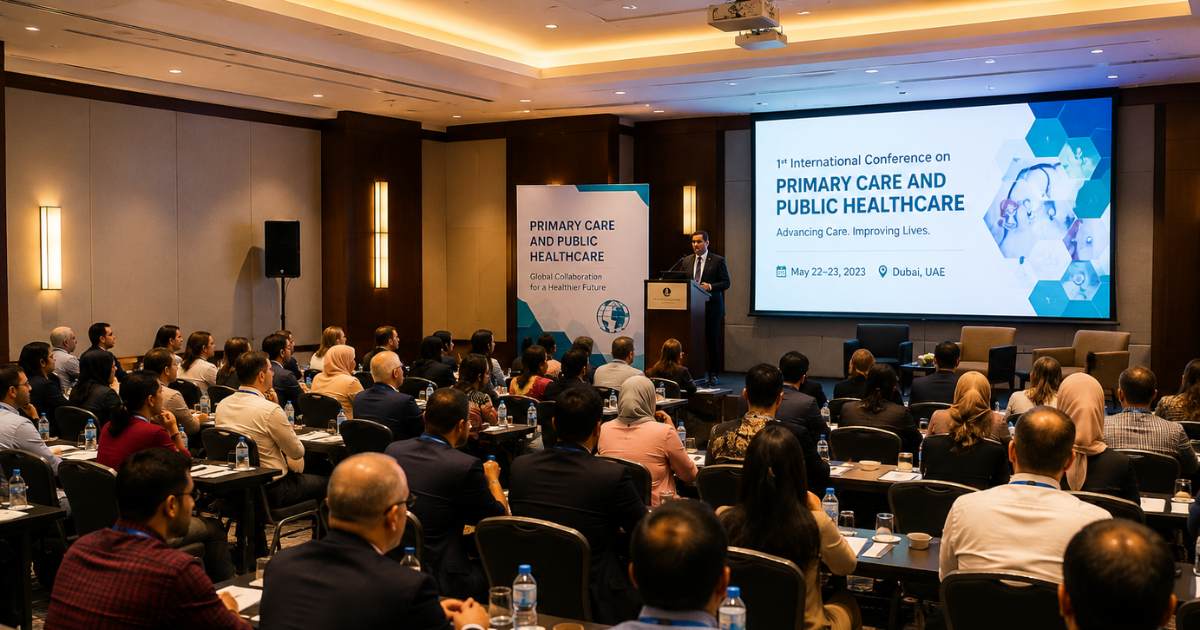
Building on the success of the previous editions in Dubai (2023) and Bangkok (2024), Scientex Conferences is pleased to present the 3rd International Conference on Primary Care and Public Healthcare, scheduled to take place on May 08–09, 2025, at the City Seasons Suites Hotel, Dubai, UAE.
The conference will bring together physicians, researchers, academicians, nurses, healthcare professionals, and public health experts from around the world to discuss the latest scientific developments, innovative healthcare solutions, and collaborative approaches that are shaping the future of primary care.
Whether you are an experienced healthcare professional or an early-career researcher, Primary Care 2025 offers an excellent opportunity to expand your knowledge, build professional relationships, and contribute to meaningful discussions that advance healthcare worldwide.
Conclusion
The future of primary care is being shaped by innovation, collaboration, and a shared commitment to improving patient outcomes. As healthcare professionals prepare for 2025, embracing emerging technologies, preventive strategies, interdisciplinary teamwork, and continuous education will be essential to meeting the evolving needs of patients and communities. International scientific conferences remain one of the most valuable platforms for exchanging knowledge, fostering research collaborations, and inspiring new ideas that transform healthcare.
Scientex Conferences looks forward to welcoming the global healthcare community to Primary Care 2025 in Dubai, where together we will continue exploring innovative solutions that strengthen primary care and public health for a healthier future.
You Might Also Like
More Blogs







Archives

Quick Links
Explore More
Past Conferences
Past Webinars
General Enquiry
Finance Enquiry
Contact Number
- (+1) 929 392 1801