


The Future of Preventive Healthcare: Transforming Primary Care in the Modern Era

Introduction
Healthcare is evolving from a system focused on treating illness to one that prioritizes preventing disease before it develops. This shift reflects a growing recognition that early intervention, healthy lifestyle choices, and continuous patient care can significantly improve health outcomes while reducing healthcare costs. Preventive healthcare empowers individuals to take an active role in maintaining their well-being and helps healthcare professionals identify potential health risks before they become serious conditions.
At the heart of this transformation is primary care. As the first point of contact for most patients, primary care providers play a central role in promoting wellness, preventing disease, coordinating care, and supporting healthier communities. Through routine check-ups, health education, and long-term patient relationships, primary care continues to shape the future of modern healthcare.
Understanding Preventive Healthcare
Preventive healthcare focuses on reducing the risk of illness through early intervention and proactive care. Instead of waiting for symptoms to appear, it encourages regular health assessments, vaccinations, lifestyle counseling, and evidence-based screening programs.
Preventive healthcare is generally divided into three levels:
Primary Prevention: Prevents diseases before they occur through immunizations, health education, balanced nutrition, physical activity, and smoking cessation.
Secondary Prevention: Detects diseases early through routine screenings such as blood pressure checks, diabetes screening, cholesterol testing, cancer screening, and mental health assessments.
Tertiary Prevention: Helps individuals living with chronic illnesses manage their conditions through rehabilitation, medication management, lifestyle modification, and coordinated follow-up care.
Together, these approaches improve quality of life while reducing the burden of preventable diseases.
Why Primary Care is Essential
Primary care providers develop long-term relationships with patients, allowing them to understand medical histories, family backgrounds, and lifestyle factors that influence health. This continuity enables healthcare professionals to identify risks early and deliver personalized preventive care.
Primary care teams contribute by:
Conducting routine health examinations
Delivering vaccinations
Managing chronic diseases
Providing health education
Encouraging healthy lifestyle choices
Coordinating referrals to specialists when necessary
This comprehensive approach reduces unnecessary hospital admissions, improves patient outcomes, and promotes lifelong wellness.
Lifestyle Medicine and Disease Prevention
Many of today's most common health conditions—including cardiovascular disease, diabetes, obesity, and certain cancers—are closely linked to lifestyle habits. As a result, lifestyle medicine has become a key component of preventive healthcare.
Primary care professionals encourage patients to:
- Eat nutritious, balanced diets
- Engage in regular physical activity
- Maintain a healthy body weight
- Prioritize quality sleep
- Manage stress effectively
- Avoid tobacco products
- Limit excessive alcohol consumption
Even modest lifestyle improvements can lower the risk of chronic diseases and enhance overall well-being.
Digital Innovation in Preventive Healthcare
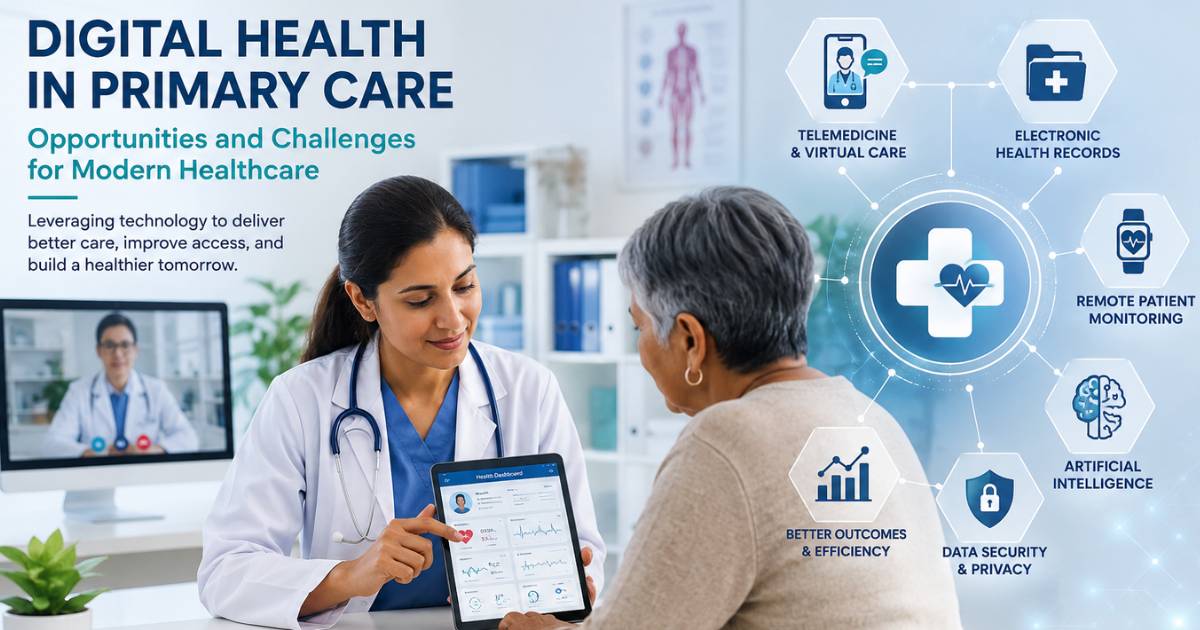
Technology is making preventive healthcare more accessible, efficient, and personalized. Digital tools help healthcare professionals monitor patients more effectively while encouraging individuals to become active participants in their own health.
Important innovations include:
Telemedicine: Virtual consultations improve access to healthcare, especially for rural and underserved populations.
Wearable Health Devices: Smartwatches and fitness trackers monitor physical activity, heart rate, sleep, and other health indicators.
Electronic Health Records: Digital records improve communication among healthcare providers and support continuity of care.
Mobile Health Applications: Apps help patients schedule screenings, manage medications, and receive personalized health reminders.
These technologies strengthen preventive care while supporting more patient-centered healthcare delivery.
Preventing Chronic Diseases
Chronic diseases remain one of the leading causes of illness and healthcare expenditure worldwide. Conditions such as hypertension, diabetes, cardiovascular disease, and chronic respiratory disorders often develop gradually and may remain undiagnosed for years.
Primary care addresses these challenges through:
- Regular health assessments
- Early identification of risk factors
- Patient education
- Medication management
- Ongoing follow-up care
- Lifestyle counseling
Early intervention improves treatment outcomes while reducing complications and long-term healthcare costs.
Community Health and Collaboration
Preventive healthcare extends beyond hospitals and clinics. Communities play an important role in promoting healthier lifestyles through vaccination campaigns, school health programs, workplace wellness initiatives, screening events, and public health education.
Successful prevention requires collaboration among healthcare professionals, researchers, educators, public health organizations, and policymakers. Sharing knowledge and implementing evidence-based strategies helps improve healthcare delivery and population health.
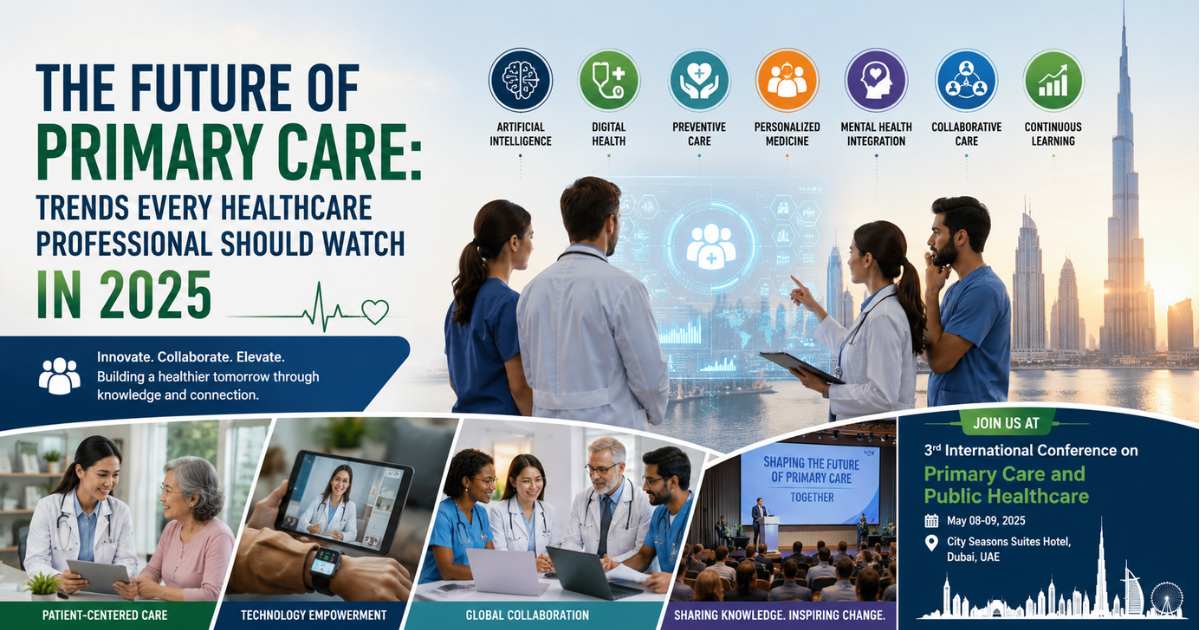
Scientific conferences and professional education programs further strengthen this collaboration by providing opportunities to exchange research, discuss innovative approaches, and develop solutions to emerging healthcare challenges.
Looking Ahead
The future of healthcare depends on strengthening preventive care through primary care services, digital innovation, and interdisciplinary collaboration. Advances in artificial intelligence, remote patient monitoring, personalized medicine, and value-based care are creating new opportunities to detect diseases earlier and deliver more individualized care.
By investing in prevention, encouraging healthier lifestyles, and supporting continuous research, healthcare systems can improve patient outcomes while building more resilient and sustainable healthcare services.
Conclusion
Preventive healthcare is transforming modern medicine by shifting the focus from treating illness to promoting lifelong wellness. Through early detection, health education, lifestyle interventions, and coordinated care, primary care professionals help individuals stay healthier and reduce the burden of chronic disease.
As healthcare continues to evolve, strengthening primary care and preventive healthcare will remain essential for improving population health, reducing healthcare costs, and creating more sustainable healthcare systems. By embracing innovation, collaboration, and patient-centered care, healthcare professionals can build a future where prevention is the foundation of better health for individuals and communities worldwide.
You Might Also Like
More Blogs











Archives

Quick Links
Explore More
Past Conferences
Past Webinars
General Enquiry
Finance Enquiry
Contact Number
- (+1) 929 392 1801