

Speaker
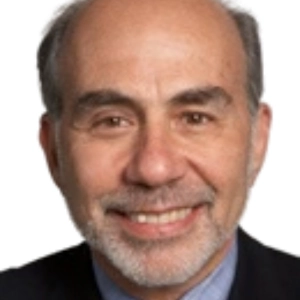
Jeffrey S. Freed
- Icahn School of Medicine at Mount Sinai
- USA
Presentation
Can the primary care physician act to as an alarm and caretaker in the next global pandemic?
- April 19-20, 2027
- Paris, France
Biography
Jeffrey S. Freed, MD, MPH, FACS, is a renowned general and colorectal surgeon, humanitarian, and clinical professor of surgery at the Icahn School of Medicine at Mount Sinai. With over 55 years of diverse medical experience, He balances a prominent academic and clinical career with a deep commitment to global health. In addition to teaching and maintaining his practice at The Mount Sinai Hospital, he serves as the section chief of colorectal surgery at the James J. Peters VA Medical Center. A dedicated philanthropist, he has spent more than two decades traveling to developing countries to perform essential surgeries and train local medical teams. He also brings his clinical insight to the medical technology sector as the chief medical officer for DermaClip. An engaging educator and industry leader, he speaks with authority on advancements in surgery, medical entrepreneurship, and international humanitarian medicine.
Abstract
Pandemics are a significant stress test for a country’s economic, political and health systems. An effective pandemic response demands a multi-pronged and multi-layered approach, comprising surveillance, containment, border control, as well as various social and community measures. The primary care community plays a vital role in the institution of preventive and therapeutic measures required in this crisis. However, that is not what happened in the US or in many parts of the world. In the early days of the pandemic, scientists and public health experts had to react in real time to a brand new, unpredictable and vicious pathogen. They also had to create a testing system. In this latter effort, the US Center for Disease control grandly botched the effort, leaving a significant inability to do early tracing of exposed individuals. Also, the US scientists, as well as the WHO scientists, initially failed to recognize that the SARS-COV-2 virus was transmitted through tiny airborne particles or aerosols. This led to the failure to warn the public that masks were necessary to avoid being infected. Further, the shortage of masks led to the overhaul poor initial management of this rapidly spreading, virulent virus. Ultimately, these gross errors were reversed and proper public health measures put in place in those areas that understood the nature of the disease and the requirements to control it. Sadly, many parts of the US failed to follow the recommendations and paid the price. In all but border control, all the necessary responses to an epidemic or pandemic crisis involve the direct involvement of primary care physicians and their teams, including family physicians and general practitioners. Primary care physicians form and lead the primary care network, which in turn forms the backbone of any healthcare system. The primary care physician or a member of their teams is in the great majority of cases the first point of contact for a significant proportion of patients in any clinical situation. The primary care physicians play an essential strategic role in the fight against disease, especially in a public health crisis. In my presentation, I will examine and propose some of the key roles that primary care physicians and their teams play in a pandemic, drawing examples from the current COVID-19 pandemic and past experiences. COVID-19 has shown the world is the we are dangerously unprepared for a pandemic, both in terms of our local, national or global management ability. The structure of our current primary health care systems is truly lacking in their ability to identify and deal with a potential epidemic crisis, which should provide the impetus for us to improve the systems in place and create new systems before another deadly crisis arrives. Remember, we are only one airplane ride away from the next pandemic.
