

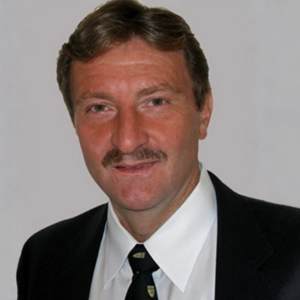
Robert M. Beatty
Beatty LLC, USAPresentation Title:
The pathophysiology of long Covid-19 illness and acyclovir mechanism of Covid-19
Abstract
A theory of the mechanism of long COVID-19 is presented. Even though long COVID-19 can present a variety of symptoms, a universal mechanism is involved in each case and is discussed in this paper. Also presented is the role of acyclovir and how it can alleviate the diverse symptoms of long COVID 19. Although long COVID-19 is multifaceted, meaning it affects many organ systems, the mechanism is universal based upon the immune response seen in wound healing.
Keywords: COVID-19, Long COVID-19, Immune Response, Fabrin Net, Foreign Body, Acyclovir
Biography
Robert M. Beatty was born and raised in Anaconda, Montana, he graduated from Stanford University with a degree in Chemistry, earning honors and University distinction. He subsequently served as a research fellow in the department of chemistry at Stanford University. He graduated from the University of Utah Medical School with honors in internal medicine. His surgical internship was completed at Peter Bent Brigham Hospital, Harvard, in Boston, Massachusetts. He then completed his neurosurgical residency at Massachusetts General Brigham and Boston Children's Hospital, Harvard, in Boston, Massachusetts. He began his professional practice as Chairman of Neurosurgery at UMKC Children's Hospital/St. Luke's Hospital in Kansas City, Missouri. He later developed the neurosurgery department at Providence Medical Center in Kansas City, Kansas, and most recently managed the neurosurgical department at Overland Park Regional Medical Center in Overland Park, Kansas. He currently provides locum neurosurgical coverage. He has made significant contributions to the field of neurosurgery, including introducing the concept of continuous electromyography monitoring during surgery. His work was published in the Journal of Neurosurgery and presented at numerous neurosurgical meetings. Continuous intraoperative electromyographic monitoring is now considered a standard of care in neurosurgical surgery worldwide. His publication, “Continuous Intraoperative Electromyographic Recording During Spinal Surgery,” appeared in the Journal of Neurosurgery in March 1995 (82(3):401–405). He has presented more than 30 papers and presentations throughout his career.

Organization Location
1309 Coffeen Avenue, STE 1200, Sheridan, Wyoming 82801, USA
General Enquiry
contact@scientexconferences.com
Finance Enquiry
finance@scientexconferences.com
Call us at
USA : (+1) 929 392 1801